
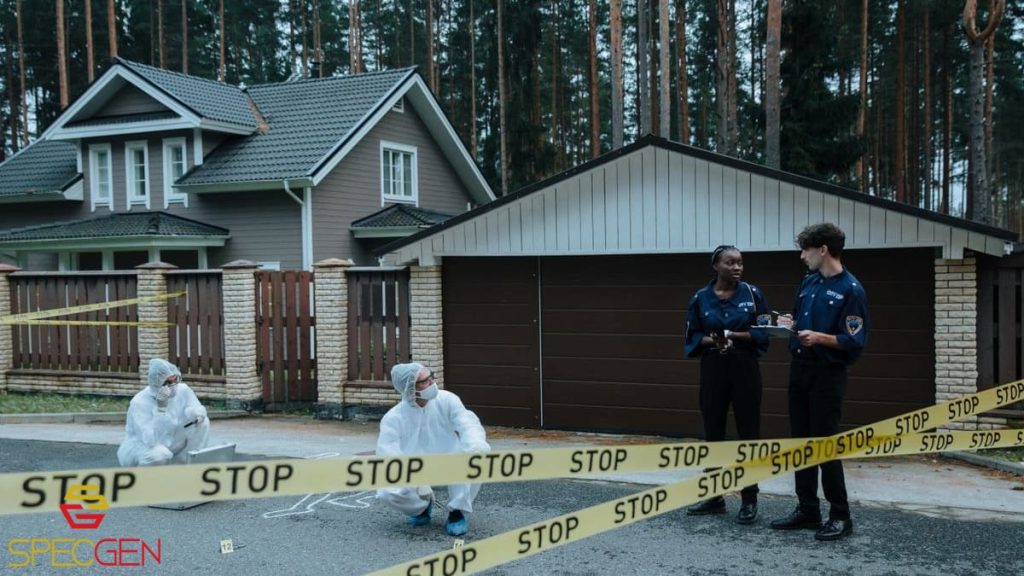
When something terrible happens at home, the last thing a family should face is the cleanup. That work is hard, dangerous, and emotional. It also has strict safety rules most folks have never heard of. Blood, body fluids, and other contaminants can remain infectious long after they appear dry. That’s why proper biohazard cleanup in New Jersey matters so much.
Pro crews show up with full protective gear, hospital-grade products, and years of training. They take the burden off the family. They also make sure the home is safe to live in again. This guide walks you through what really happens during a crime scene cleanup in NJ, from the first phone call to the final check. By the end, you’ll know what to expect and how to pick a team you can trust.
Why Crime Scene Cleanup is Not a DIY Job
After the police clear a scene, the cleanup is left to the family or property owner. That surprises a lot of folks. Officers do not clean. Neither do first responders. The home or workplace is handed back as it was.
Blood and body fluids carry serious risks. Pathogens like HIV, hepatitis B, hepatitis C, and MRSA can stay active for hours or days. Carpet, drywall, and porous wood soak up contamination fast. Even a small spot can hide a much larger problem underneath.
Crews handling crime scene cleaning steps in NJ wear full personal protective equipment. They follow OSHA bloodborne pathogen rules. They use medical-grade disinfectants. They also haul off contaminated material as regulated waste. None of that is something a regular cleaning service can do.
How a Certified Crime Scene Cleanup Company in New Jersey Gets the Call
Most calls come in fast. A family, landlord, or business owner reaches out within hours of the police clearing the scene. Some calls come from funeral homes or local officials. A trained team usually answers 24 hours a day.
First Contact and Discretion
The first call is calm and quiet. The team takes basic details. Address, type of incident, access, and timing. Crews drive unmarked vans to keep things private. Neighbors don’t need to know. The home is handled with care from the first knock.
Quick Assessment On Site
Once a crew arrives, they walk through with the property owner if anyone is up for it. They map every spot that needs work. They check porous spots like drywall, baseboards, padding, and subfloor. They also test the air. Then they share a clear plan. Many teams behind crime scene remediation in Toms River include this walk-through in their standard service.
The Crime Scene Cleaning Steps in NJ Crews Follow
Trained teams move through a strict order. Skipping a step risks lasting contamination. Here’s how a full job goes.
Containment
The team sets up zones. Plastic sheeting walls off the affected area. Air scrubbers run nonstop to filter germs and odors. This keeps clean parts of the home separate from the work area. It also protects family and pets in nearby rooms.
Removal and Disposal
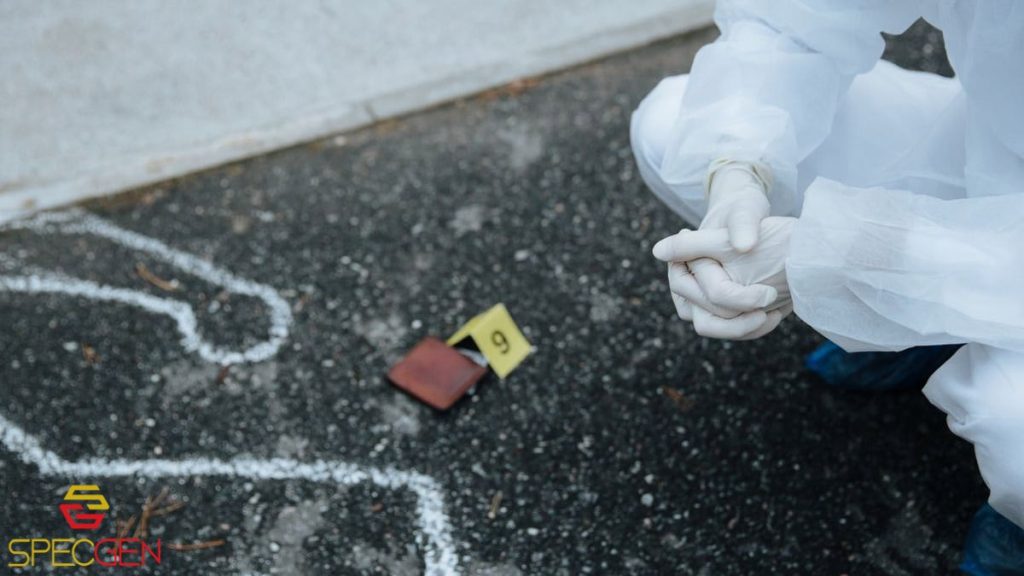
Crews remove anything that can’t be saved. Carpet, padding, drywall, mattresses, and furniture often need to go. Each piece is bagged, labeled, and stored in sealed containers. Then it ships to a licensed medical waste facility, never the regular trash. Proper blood cleanup services in New Jersey always follow this rule.
Cleaning and Disinfection
Every surface gets a careful wipe-down. Hospital-grade disinfectants kill bloodborne pathogens. Tough spots are treated more than once. Crews scrub baseboards, vents, light switches, and anything a stray droplet could have touched. This step is the heart of crime scene sanitization in NJ.
Odor Removal
Odors after a serious event run deep. Standard sprays do not fix it. Pros use ozone treatments, hydrogen peroxide fogging, and full air exchanges. A trained team behind pro odor control work can return a home to neutral.
Final Steps and Verification After Biohazard Removal
Cleanup isn’t done when surfaces look fine. Pros run final checks before they leave.
- ATP swab testing measures the level of biological residue left
- A visual walk-through with the property owner confirms each area
- Documentation of what was removed, treated, and disposed of
- Notes for insurance claims and any legal records
- A written certificate that the space is safe for return
A team trusted for the biohazard removal process in New Jersey always provides paperwork. That paperwork helps with insurance. It also helps if the property is sold later. Some events lead to deeper work, too. Homes with hidden moisture may need water damage restoration or even mold inspection follow-ups.
Other Biohazard Situations Trained Crews Handle
Crime scenes are not the only call a pro biohazard team gets. The same training, gear, and chemistry apply to several hard situations across NJ. Knowing what a trained crew can take on helps families and property owners reach the right people fast.
- Unattended death scenes that need deep cleaning of porous materials and full odor work
- Suicide cleanup with the same blood and fluid protocols as any crime scene
- Hoarding situations where biohazards hide under years of clutter
- Suspected illegal drug lab cleanup that involves chemical residue and toxic byproducts
- Vandalism or graffiti removal on commercial sites after a break-in
Each of these calls for trained crews, careful documentation, and proper waste handling. A team experienced inmedical-grade cleaning brings the same care to homes and small businesses. Some scenes also overlap with sewage backup cleanup when plumbing fails during an incident. That mix of skill sets makes a real difference.
What Sets a Trusted Crew Apart in Trauma Cleanup in Ocean County
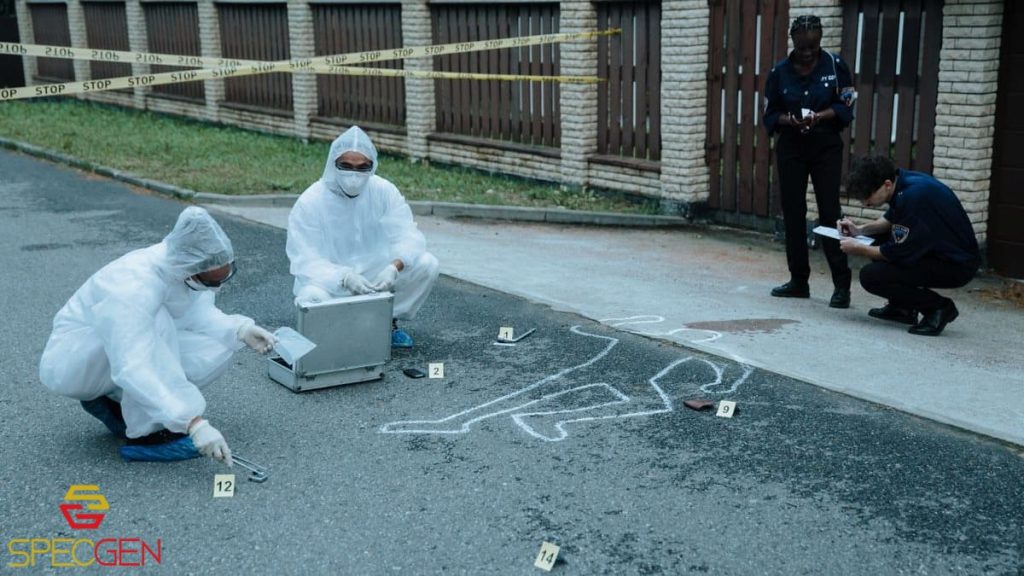
Not every cleaning team has the gear or training for biohazard work. When choosing help for trauma cleanup in Ocean County or anywhere in NJ, look for clear signs of a real pro:
- OSHA bloodborne pathogen training
- Licensed medical waste transport partners
- 24-hour emergency response
- Discreet, unmarked vehicles
- Direct insurance billing on most claims
- Compassion-led communication with families
Asking these questions during your first call tells you a lot. Crews with deep experience also handle related needs like hoarding cleanup and fire and smoke damage recovery. A look at the team behind the work and the project gallery can help families pick with confidence. Many also pull useful info from trusted specialty cleaning insights before they call.
When Life Turns Heavy, A Steady Crew Makes the Load Lighter
A crime scene or trauma event is one of the hardest moments a family can face. The cleanup that follows should never fall on people already in pain. Trained crews handle every step with care, safety, and discretion. They protect the home from hidden risks. They also handle paperwork, waste, and insurance, so families can focus on healing.
Choosing a certified team means quicker recovery and peace of mind during a season that feels impossible.
SpecGen Clean brings 24-hour emergency response, full biohazard training, and a calm presence to every job across NJ.
Contact us when you need help, day or night, and let a steady team carry the weight.
FAQs
Usually, the property owner or family covers it. Most homeowner policies include some biohazard cleanup coverage. Trained teams often bill insurance directly, saving families from out-of-pocket stress during a hard moment.
Small jobs finish in three to six hours. Larger scenes can take one to three days. Time depends on the size, materials affected, and the depth of porous surface damage that needs careful removal.
Most families step out during the workday. Pros set up safe zones, run air scrubbers, and limit exposure. Staying in a separate part of the home is fine if the layout allows it.
Yes, once a certified team finishes. Final ATP testing and full disinfection make sure no harmful residue stays behind. Paperwork is provided to confirm the space meets all safety standards.
Trained crews use ozone treatment, hydroxyl generators, or thermal fogging to remove smells. If a smell returns, call the team back. A real pro will return and address it without extra fees.