
Key Points:
- Standard janitorial cleaning can actually damage sensitive server equipment if the wrong products or tools are used.
- Data center cleaning in NJ follows strict protocols to protect airflow, prevent static, and stop equipment failure.
- 911 dispatch centers run nonstop, so cleaning has to happen without disrupting emergency call operations.
- Dust and airborne particles are the biggest hidden threat to server rooms and mission-critical equipment.
Walk into most offices, and regular cleaning works just fine. Walk into a server room, and regular cleaning can actually cause damage. Dust, static, and the wrong products can all interfere with sensitive electronics in ways that are not obvious until something fails.
That is why data center cleaning in NJ looks nothing like a standard janitorial visit. It follows specific protocols built around airflow, static control, and equipment sensitivity. The stakes go up even more for facilities like 911 dispatch centers, where equipment has to run nonstop, and downtime is not an option.
This guide covers what makes cleaning these spaces different, what protocols matter most, and why specialized cleaning for critical infrastructure protects both your equipment and your operations.
Why Standard Cleaning Does Not Work in Server Rooms
Regular office cleaning crews are not trained for electronics. They might use the wrong cloths, generate static with the wrong tools, or spray cleaners near open equipment. In a server room, any one of those mistakes turns into a real problem fast.
This is why an experienced IT equipment cleaning company matters more than a generic janitorial contract. That is the main reason server room cleaning service work looks nothing like a typical office clean.
Static Electricity and Airflow Risks
Static discharge can damage sensitive components in an instant. Standard mops, dusters, and certain plastics can build up enough static charge to fry a server board without anyone noticing right away.
Good airflow depends on clean vents and filters, too. Raised floor systems need regular attention, since dust and debris under the floor can block the airflow equipment relies on to stay cool.
Dust Is the Silent Equipment Killer
Dust buildup on vents, filters, and equipment surfaces forces cooling systems to work harder than they should. Over time, that extra strain shortens equipment life and increases the risk of failure.
Ongoing indoor air quality testing helps confirm whether particulates are building up to a level that puts equipment at risk before it becomes an expensive problem.
What Data Center Cleaning in NJ Actually Involves
A real data center cleaning in NJ program gets built around the facility’s specific layout, equipment, and risk points. It is not a generic checklist applied the same way to every building.
Crews need training on raised floors, cable management, and equipment sensitivity before they ever set foot in a server room. A dependable server room cleaning service treats raised floors and cable trays as carefully as the racks themselves.
Cleaning Above and Below the Raised Floor
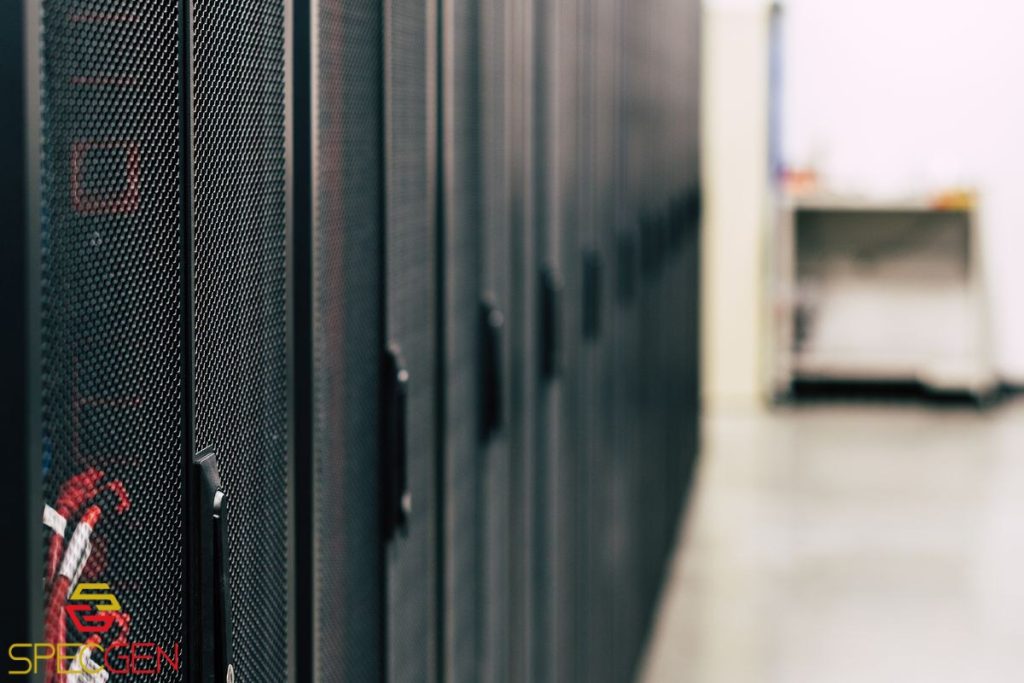
- Raised floor plenums where cables and airflow run
- Server racks and equipment cabinets, wiped with anti-static materials
- Air handling units and filter housings
- Cable trays and overhead infrastructure
This kind of 911 dispatch center cleaning services work covers areas a standard cleaning crew would likely never think to check.
Here is a simple breakdown of where attention goes and what it covers:
| Area | Cleaning Focus |
| Raised floor plenum | Dust and debris removal, airflow check |
| Server racks & cabinets | Anti-static wipe down |
| Air handling units | Filter and housing cleaning |
| Cable trays | Dust removal, organization check |
Scheduling Around Uptime and Live Systems
Cleaning has to happen without interrupting operations. That usually means work gets scheduled during low-traffic windows, with clear protocols for what can and cannot be touched.
For facilities that also need medical-grade cleaning-level sanitizing, like shared control rooms, the scheduling gets even more precise.
911 Dispatch Centers Have Their Own Cleaning Requirements
A 911 dispatch center cleaning services plan is not just about dust and disinfecting. These facilities run around the clock, which means cleaning has to work around live emergency calls, not the other way around.
Dispatchers cannot step away from their stations for a deep clean. That means crews need a plan that respects the operation while still getting the job done.
Cleaning Without Interrupting Emergency Calls
Crews typically clean workstation by workstation, rotating through the room instead of shutting the whole space down. That keeps call response times unaffected while surfaces still get properly sanitized.
Mission-critical facility cleaning always accounts for continuity first. Nothing about the process should ever put emergency response at risk, even for a few minutes. Humidity control matters here too, since poor ventilation in an aging building can quietly lead to mold growth behind walls or under flooring, which then affects both air quality and equipment.
Sanitizing Shared Workstations and Headsets
Dispatch stations get used around the clock, often by multiple shifts on the same equipment. Headsets, keyboards, and desk surfaces need regular sanitizing to cut down on the spread of illness among staff.
A deep cleaning services rotation, done on a set schedule, keeps shared equipment sanitary without disrupting daily operations.
Choosing a Data Center Sanitation in NJ Provider
Not every cleaning company is equipped to handle data center sanitation work in NJ. Not every cleaning company can deliver specialized cleaning for critical infrastructure like yours, so ask about their training around static-sensitive equipment before hiring anyone for this kind of facility.
A good commercial cleaning services provider will walk you through their protocols before the first visit, not after something goes wrong.
What to Ask Before Hiring
- Do technicians have experience with electronics and raised floor systems?
- What tools and products are used near live equipment?
- How is scheduling handled to avoid downtime?
- Is there a plan for emergency or after-hours cleaning?
Experienced cleaning technicians should be able to answer all of these clearly and specifically, not with vague reassurances.
Signs a Facility Needs Cleaning Now
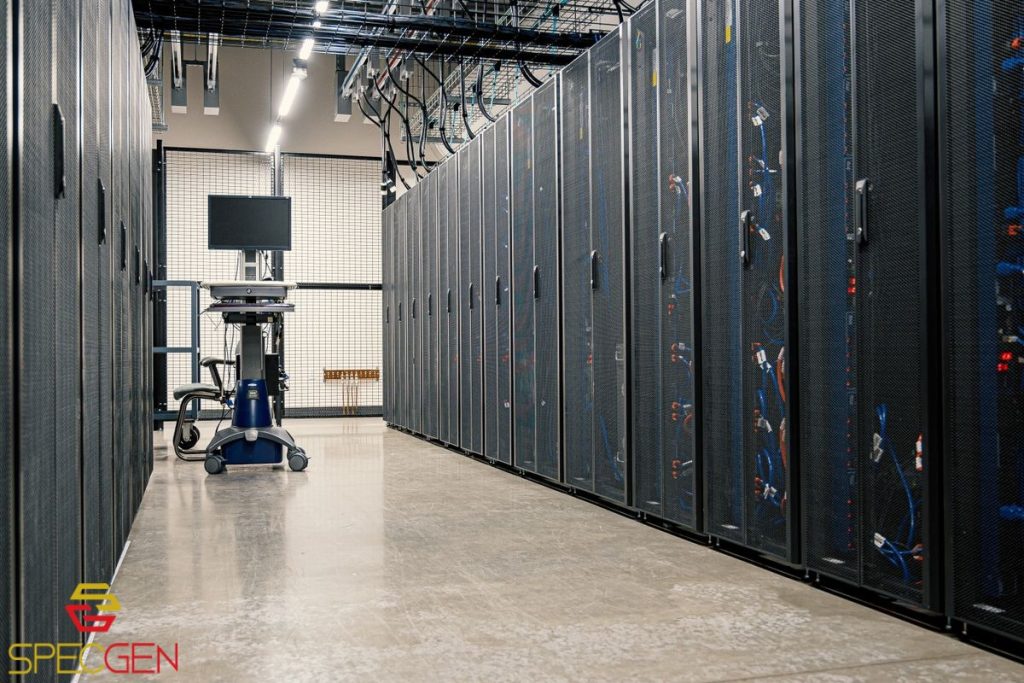
- Visible dust buildup on vents or equipment surfaces
- Equipment running hotter than usual without a clear cause
- Complaints about air quality or odors in the room
- No documented cleaning schedule in the past six months
If any of these sound familiar, it is worth scheduling a professional walkthrough soon, before a small issue becomes an expensive one.
Uptime Matters. So Does What’s Under the Floor.
Server rooms and dispatch centers cannot afford downtime, and they cannot afford cleaning that puts equipment at risk either. Reliable data center sanitation in NJ means protocols built around your equipment, not a generic janitorial checklist.
SpecGen trains crews specifically for raised floors, live racks, and round-the-clock facilities, so an IT equipment cleaning company visit never becomes the reason something goes down.
Reach out to SpecGen to schedule a walkthrough and build a cleaning plan your facility can actually run on.
Frequently Asked Questions
Most facilities schedule mission-critical facility cleaning every three to six months, though high-traffic or older buildings may need more frequent visits to control dust and airflow issues.
Yes, with proper training, a professional server room cleaning service can work inside a live environment safely, using anti-static tools and strict protocols.
Yes. Dispatch centers run continuously, so cleaning happens in rotation around live workstations instead of shutting the space down for a full clean.
Dust blocks airflow and forces cooling systems to work harder, which raises the risk of overheating and equipment failure over time.
Yes, entryways and lobbies still need regular attention. Routine carpet cleaning keeps shared spaces presentable without tracking dust into sensitive equipment areas.