
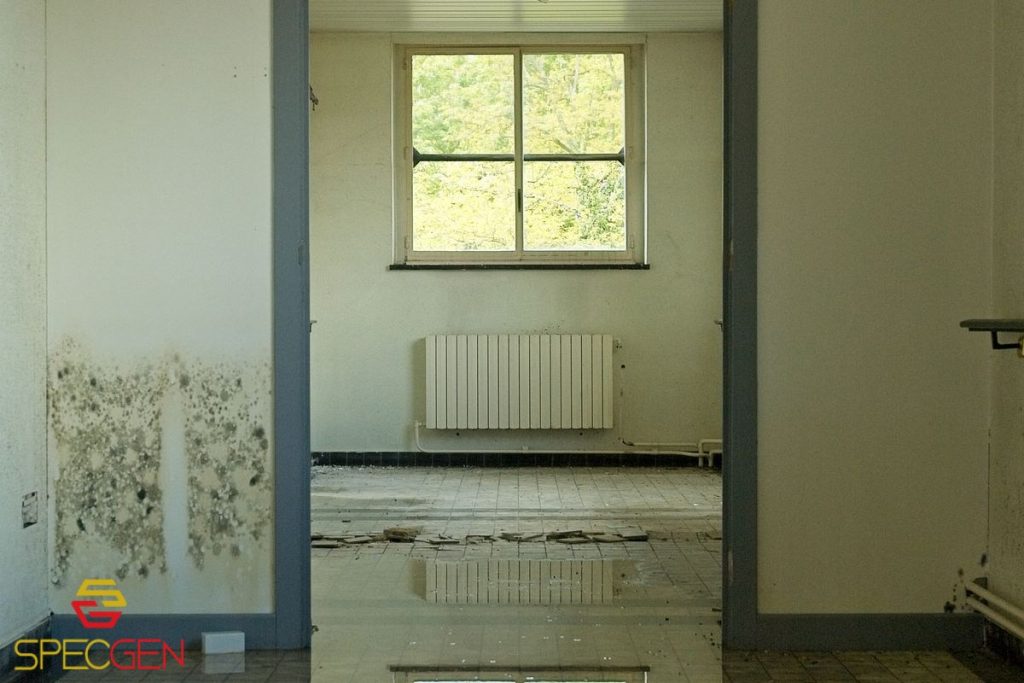
Key points:
- Protect people, isolate hazards, and stop the water source before cleanup begins.
- Document affected areas before moving materials, then start extraction and structural drying quickly.
- Reopen only after safety checks, moisture verification, cleaning, and essential-system review are complete.
Water in a workplace spreads through more than flooring. It can reach electrical systems, walls, stock, records, equipment, and adjoining tenant spaces. A clear response during the first hours can limit disruption. Commercial water damage restoration NJ begins with life safety, source control, documentation, and rapid water removal.
Do not send employees into standing water to save products. Keep people away from electrical panels, damaged ceilings, sewage, and slippery floors. Call emergency services when the building has structural, gas, fire, or electrical danger. Then contact professional water damage restoration for extraction and drying.
This guide covers immediate actions, restoration, insurance records, vendor questions, and reopening. A practical commercial water damage restoration NJ plan protects people while giving every stakeholder the same facts. It helps leadership set priorities, update employees, preserve claim records, and decide which operations can move safely to another area. Clear updates can reduce confusion during the response.
First Actions for Commercial Water Damage Restoration NJ
Activate your emergency plan. Assign one incident lead. That person should coordinate access, photographs, vendors, staff updates, and insurer communication. Too many independent decisions create gaps.
Use a simple first-hours checklist
| Priority | Immediate action | Do not do |
| People | Evacuate or isolate unsafe areas | Ask staff to cross standing water |
| Source | Shut off water when safely accessible | Touch damaged electrical equipment |
| Building | Call the landlord and emergency contacts | Enter below a sagging ceiling |
| Records | Photograph rooms, contents, and water lines | Discard items before documentation when avoidable |
| Response | Arrange extraction and moisture assessment | Assume a dry surface means a dry assembly |
Keep the action list visible. Update it as hazards and access change.
Identify the water source
Clean water from a supply line differs from sewage or outside floodwater. The source affects protective equipment, material removal, cleaning, and disposal.
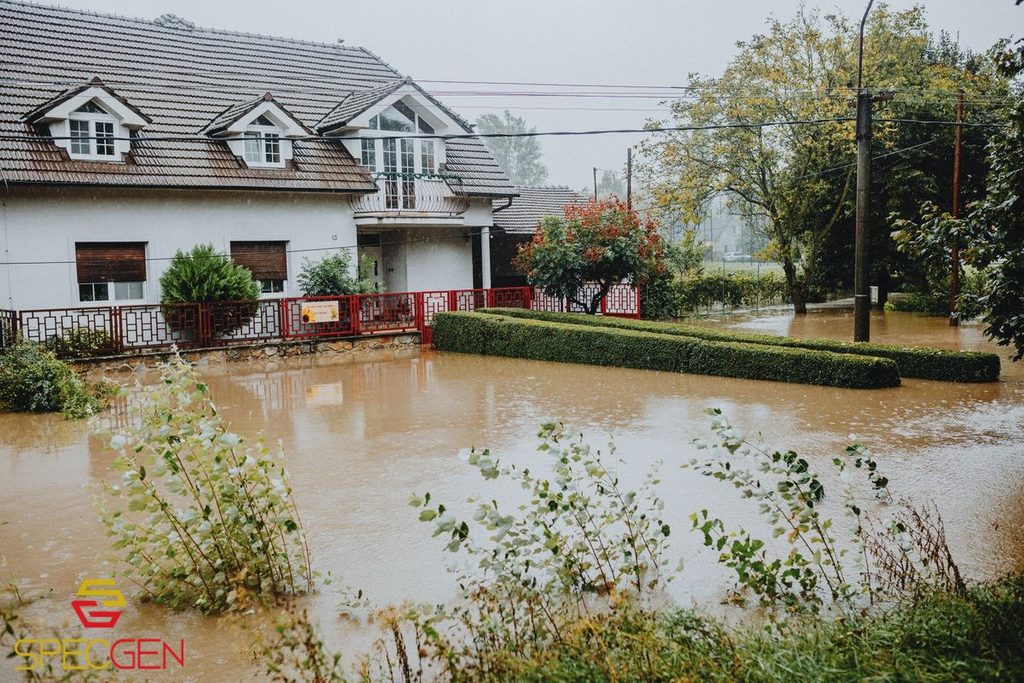
For commercial flood cleanup in NJ, treat unknown floodwater as potentially contaminated. Floodwater can contain sewage, chemicals, debris, and electrical hazards. Wait for qualified review before entry.
If a sewer line or drain caused the loss, arrange sewage backup cleanup. Ordinary mopping cannot decontaminate porous materials.
Document Damage and Notify the Right People
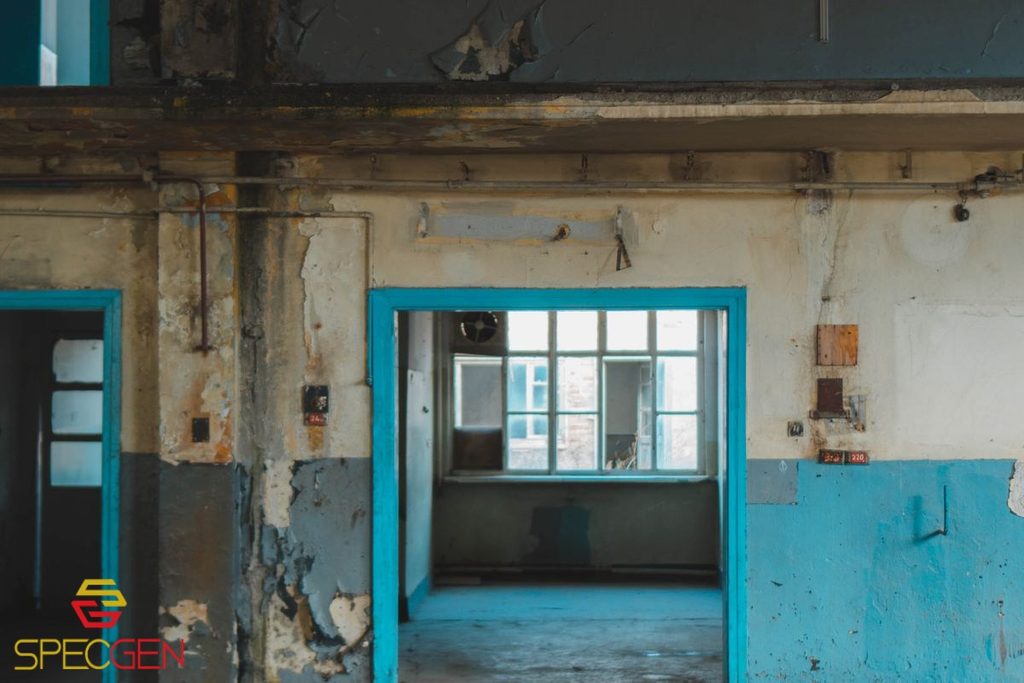
Call your insurer or broker promptly. Notify the building owner, property manager, security team, and affected tenants. If operations serve regulated customers, follow your incident procedures for records, products, and reporting.
Build one loss record
Create a shared log with the discovery time, suspected source, shutoff time, affected rooms, responders, and decisions. Photograph water lines and damaged materials before movement when safety allows.
For business water damage cleanup in New Jersey and business flood restoration in New Jersey, record:
- Building areas and approximate square footage.
- Furniture, inventory, equipment, and records affected.
- Water source and visible contamination.
- Utility shutoffs and professional inspections.
- Labor, equipment, disposal, storage, and temporary-space costs.
- Conversations with the insurer and property owner.
Do not promise coverage to staff or tenants. Policy terms, cause, endorsements, and deductibles shape the claim.
Protect records and equipment carefully
Move dry items away from the affected zone. Do not power on wet electronics. Sensitive equipment may need a specialized vendor before cleaning or testing.
Facilities with server rooms can use guidance for data and 911 center cleaning. Your IT lead should approve shutdown, relocation, and restart decisions.
Extraction, Moisture Mapping, and Drying
Standing water removal is only the first physical step. Water can travel beneath flooring, inside wall cavities, above ceiling systems, and along insulation. A technician should map affected materials and take moisture readings.
What the restoration team should explain
A water damage restoration company in NJ should provide a work area, equipment plan, monitoring schedule, and communication process. Ask which materials may remain and which need removal.
Typical work may include:
- Pumping or extracting standing water.
- Removing damaged or contaminated porous materials.
- Positioning air movers and dehumidifiers.
- Monitoring humidity and material moisture.
- Cleaning or disinfecting surfaces when the water category requires it.
- Coordinating repairs after drying goals are met.
A deep-cleaning plan for commercial spaces may follow restoration. Deep cleaning does not replace extraction or structural drying.
Control access while equipment runs
Cords, hoses, open walls, and moving air can affect normal traffic. Use barriers and signs. Keep emergency exits clear. Ask the restoration lead which rooms can remain occupied.
For emergency water removal NJ and commercial water extraction NJ, request daily updates. Readings should guide equipment changes. Dates alone do not prove a wall or floor is dry.
Prevent Mold and Secondary Damage
Wet materials can support mold quickly. Drying should start as soon as the site is safe. The response team should also look for water that migrated into adjoining rooms or lower floors.
Mold prevention guidance calls for drying water-damaged materials within 24 to 48 hours. This target supports urgent action, but it does not guarantee that every material remains salvageable.
Watch for hidden warning signs
After commercial water extraction in NJ, note musty odors, swelling, stains, soft drywall, and warped flooring. Do not cover damage until moisture readings support repairs.
If growth appears, use mold inspection and remediation. If odors persist after source removal, professional odor control may address residue in porous materials or air systems.
Protect stock and contents
Separate wet and dry inventory. Label where each item came from. Ask the insurer before disposal when conditions allow safe documentation. Food, medicine, medical supplies, and porous goods may follow special rules.
Fire sprinklers or suppression water can leave smoke-related residue after a fire. A combined fire and smoke damage cleanup plan should address soot, odor, water, and material compatibility together.
Decide When the Business Can Reopen
Reopening depends on more than the absence of puddles. Confirm that the structure, utilities, life-safety systems, indoor environment, and essential equipment are suitable for occupancy. Use the right licensed trades for electrical, plumbing, fire-alarm, elevator, and structural decisions.
Create a reopening gate
Before resuming work after flooded commercial property cleanup or business flood restoration in New Jersey, verify:
- Authorities or building professionals have released restricted areas.
- Electrical and critical equipment inspections are complete.
- The source is repaired, and no active leak remains.
- Moisture readings meet the restoration plan.
- Contaminated surfaces and materials are addressed.
- Exit routes, alarms, restrooms, and accessible paths work.
- Employees and tenants understand closed areas and temporary procedures.
Open unaffected zones first when operations allow it. Keep barriers around unfinished areas.
Review the incident after recovery
Update shutoff maps, vendor contacts, insurance records, and emergency roles. Store photos and invoices together. Add lessons from access delays or communication problems.
A review of specialty cleaning solutions can help you identify related services for future planning. Prepared contacts reduce guesswork during the next leak or storm.
Turn a Business Soaking Into a Stronger Comeback
Fast, organized action can keep a leak from becoming a longer shutdown. Commercial water damage restoration NJ should connect safety, documentation, extraction, drying, cleaning, and repairs. One incident lead and one clear record help every party act from the same facts.
SpecGen Clean provides 24/7 response through a water damage restoration company NJ businesses can call. The team assesses materials, extracts water, monitors drying, and coordinates mold or odor needs. Call 732-908-8988 with the source, building type, and access limits.
Contact us for business water damage cleanup in New Jersey. Share electrical concerns, contamination, hours, tenants, and critical equipment. Ask what your staff should secure before the crew arrives. A precise first call helps the response team bring the right plan.
Frequently Asked Questions
Begin safety steps and source control immediately. Extraction and controlled drying should start as soon as trained responders can enter safely. Delays allow water to spread into hidden materials and operations.
Employees can report, evacuate, and protect dry areas under your plan. They should not enter electrical, structural, sewage, chemical, or deep-water hazards unless their job, training, and protective equipment cover them.
Timing depends on water volume, material type, humidity, access, contamination, and removal decisions. Moisture readings should determine progress. Ask for monitoring updates instead of relying only on a fixed number of days.
Keep photos, videos, inventories, timelines, invoices, moisture logs, disposal records, leases, repair estimates, and communication notes. Ask the carrier which documents and approvals your specific policy requires before safe disposal.
Cleanup is complete when the source is fixed, hazards are controlled, agreed materials are addressed, affected areas meet drying goals, required cleaning is finished, and qualified parties approve relevant systems.