
Permanent odor elimination for homes and businesses across NJ. Smoke, biohazard, sewage, pet, and mold odors removed at the source. Free quote: 732-908-8988.
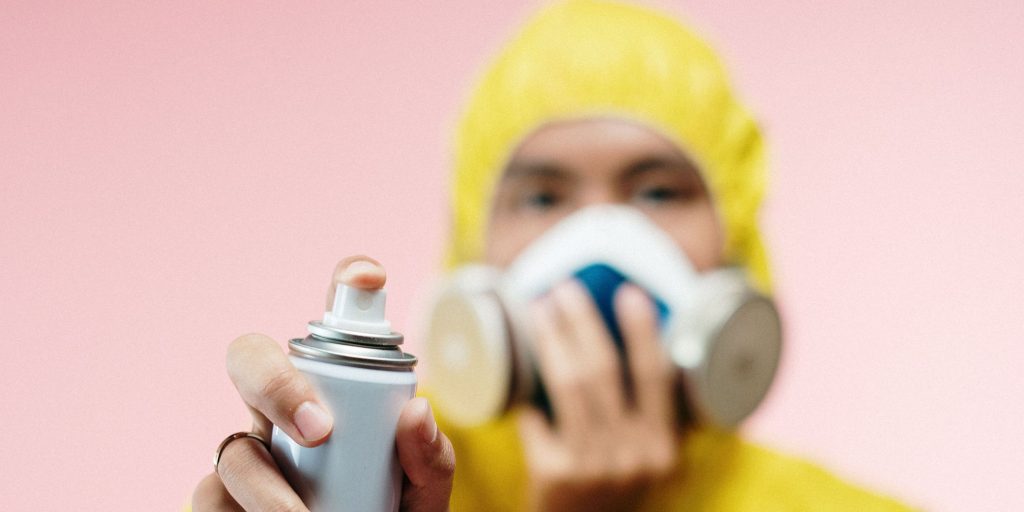
Most persistent indoor odors are not a surface problem. They are a source problem. Masking an odor with fragrance or airing out a room addresses the symptom, not the cause. The odors that refuse to go away, the smoke smell that returns every time it rains, the sewage odor that persists after the backup was fixed, the musty smell that lingers months after a water leak, are persistent because the odor-causing molecules are embedded in porous materials, trapped in HVAC systems, or still actively generating from a source that has not been fully removed.
SpecGen Clean’s approach to odor control is built around source identification and source elimination. We use professional-grade deodorizing technology to neutralize odor at the molecular level, not cover it up.
Different odors require different approaches. SpecGen Clean deploys the appropriate method or combination of methods for each situation:
Ozone generators produce O3, a highly reactive molecule that oxidizes and permanently neutralizes odor-causing compounds. Ozone treatment is highly effective for smoke odors, pet odors, and general organic odors that have permeated porous surfaces. Properties must be unoccupied during treatment and properly ventilated afterward. Not appropriate for all situations, SpecGen Clean assesses suitability before deployment.
Hydroxyl generators use UV light to produce hydroxyl radicals that break down odor-causing molecules. Unlike ozone, hydroxyl treatment can be conducted in occupied spaces, making it appropriate for commercial facilities that cannot close during treatment. Highly effective for smoke, mold, and chemical odors.
Thermal fogging disperses a deodorizing solution as a fine vapor that penetrates the same porous materials that absorbed the odor. Particularly effective for fire and smoke damage cleanup, where odor molecules have penetrated walls, ceilings, flooring, and furnishings.
The most effective odor treatment is removing whatever is causing the odor. For biohazard odors, from crime scenes, unattended deaths, or sewage backups, the contaminated material itself must be removed and properly disposed of before any deodorizing treatment can be effective. SpecGen Clean handles source removal as part of the broader remediation process for these situations.
HEPA air scrubbers and activated carbon filtration capture airborne odor particles and VOCs during and after remediation. Used in conjunction with other treatments to reduce airborne odor load and improve indoor air quality.
The most challenging odors SpecGen Clean deals with are those associated with fire, sewage, and biological contamination. These odors are particularly persistent because the underlying materials, whether smoke residue, sewer gases, or decomposition byproducts, are deeply embedded in building materials and difficult to eliminate without professional intervention.
For smoke odors, effective treatment requires removing visible soot and residue, treating affected surfaces, and using thermal fogging or ozone treatment to address odor that has penetrated beyond the surface.
For sewage odors, the source of the contamination must be fully extracted and the affected area must be decontaminated before odor treatment is effective. Residual odor after a sewage backup usually indicates incomplete decontamination. [Link: /professional-sewage-backup-cleanup/]
For biohazard odors associated with crime scenes, unattended deaths, or hoarder properties, the odor cannot be eliminated without removing the biological source material and fully decontaminating the affected area.
Effective odor control is not just about treatment. It is about ensuring the conditions that caused the odor do not recur. SpecGen Clean addresses the underlying causes of persistent odors and provides recommendations for ventilation, moisture control, and maintenance practices that prevent odors from returning.
Proudly serving homes and businesses throughout New Jersey, with rapid 24/7 emergency response.
Outside these areas? Call 732-908-8988 to confirm availability.
Yes, but it requires more than surface cleaning or air fresheners. Smoke odor embeds itself in porous materials including drywall, insulation, flooring, and furnishings. Effective permanent removal requires physical removal of soot and residue, treatment of affected surfaces, and molecular deodorization using thermal fogging, ozone treatment, or hydroxyl generators to neutralize the odor-causing compounds that have penetrated building materials.
Professional odor removal works by addressing the odor at its source and neutralizing odor-causing molecules rather than masking them. Different methods work for different odors: thermal fogging and ozone for smoke; source extraction and decontamination for biohazard and sewage odors; hydroxyl treatment for chemical and organic odors. SpecGen Clean assesses each situation and deploys the appropriate method.
Ozone treatment is effective but requires that the property be unoccupied during treatment and properly ventilated before re-occupancy. SpecGen Clean manages the ozone treatment process, including proper setup, treatment duration, and post-treatment ventilation. People, pets, and plants must not be present during active ozone treatment.
Simple odor treatments can be completed in a few hours. Complex situations involving deep smoke penetration, biohazard contamination, or large properties may require a day or more of treatment plus post-treatment ventilation time. SpecGen Clean will give you an estimated timeline after assessing the property.
If the odor source has been properly addressed and molecular deodorization has been applied correctly, odors should not return. Odors recur when the source has not been fully removed, when contaminated materials were not replaced, or when the underlying cause (a moisture problem, an ongoing sewage issue) has not been resolved. SpecGen Clean addresses root causes, not just symptoms.