
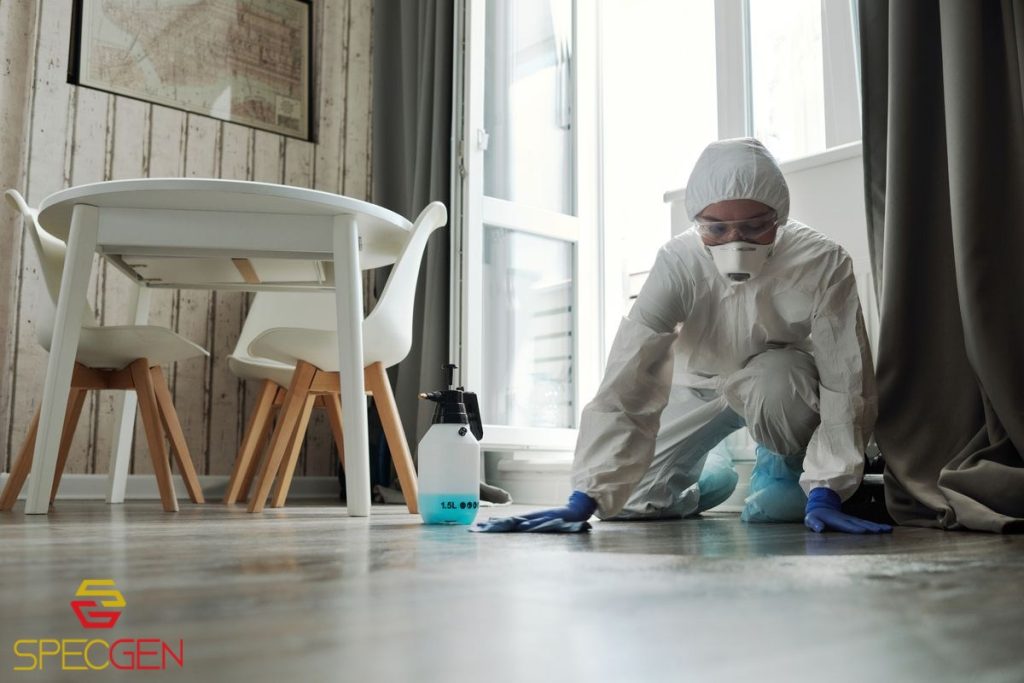
Key points:
- Blood, bodily fluids, sewage, and similar materials can carry germs. Do not clean them up on your own.
- Professionals follow federal safety rules, wear protective gear, and dispose of waste the way New Jersey requires.
- Call for help fast, keep people and pets away, and ask what documentation the company will give you.
A hard moment has passed, and now a room needs attention. Maybe there is blood on the floor. Maybe a burst sewer line or a death left a mess behind. Take a slow, deep breath. Your first thought may be to grab a mop. Please do not. Biohazard cleanup NJ work needs trained hands.
This guide explains which messes count as biohazards, why household cleaning falls short, and what professional crews actually do. You will also see what to do while you wait for help. Nothing here replaces the advice of emergency responders or your doctor. Every section ends with a clear next step.
Calls like this are never easy. Start with what crime scene cleanup involves, then use the steps below to decide your next move. You are doing the right thing by asking first. This guide is for homeowners, renters, and families. You do not need special knowledge.
What Biohazard Cleanup NJ Homeowners Need to Know
A biohazard is any material that can carry disease. Federal workplace rules say human blood and certain body fluids must be treated as potentially infectious. That is why trained crews treat every fluid as contaminated.
Signs a Space May Be Contaminated
You cannot always see contamination. Fluids can soak into carpet, flooring, and drywall. Odors, stains, and dampness are clues. If you are unsure, treat the area as unsafe and call a professional. That is why biohazard cleanup NJ services start with an assessment. Hazards can also hide in the room itself, like broken glass, exposed nails, or chemical residue.
If you rent, tell your landlord or property manager right away. They may need to arrange cleanup or contact the owner.
Common Situations
- Blood after an injury, accident, or assault
- An unattended death
- Bodily fluids from illness
- Sewage backups
- Needles and medical waste
- Hoarding that includes waste
Why Household Cleaning Falls Short
Disinfectant does not work through dirt and residue. SpecGen says surfaces must be cleaned first, and then disinfected, a two-step process that standard cleaning often skips. Porous items like carpet and drywall may also hold contamination, which is why medical-grade cleaning protocols and viral decontamination follow strict steps.
Biohazard Cleaning New Jersey: How Professionals Work
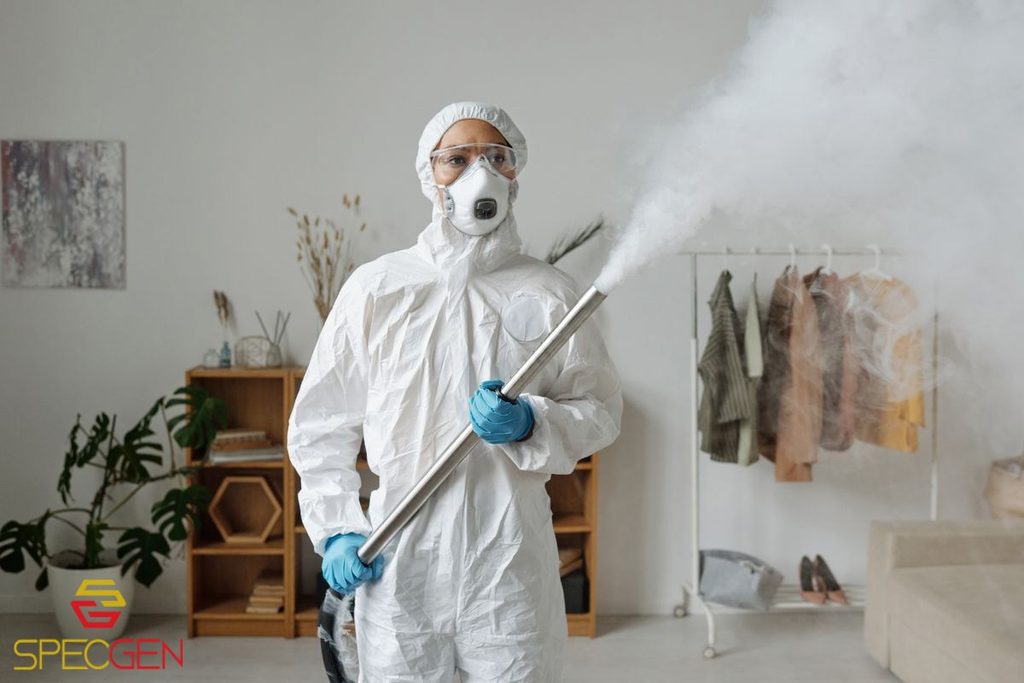
Professional crews follow a clear process. After law enforcement clears a scene, SpecGen says its team does the following:
- Assesses the site and builds a cleanup plan that follows local, state, and federal rules
- Safely removes biohazards and damaged materials, such as carpet and drywall
- Deep cleans, decontaminates, sanitizes, and deodorizes
- Handles any evidence found according to legal protocols
What Happens on Arrival
A professional crew arrives, checks the scene, and explains the plan in plain words. They set up protective gear, seal areas if needed, and work through the job in order. Good biohazard cleaning New Jersey crews keep you updated and answer your questions.
Professional Biohazard Cleanup: Gear and Training
Real professional biohazard cleanup means protective equipment, trained staff, and safe handling of contaminated materials. SpecGen says its technicians are trained in the OSHA Bloodborne Pathogen Standard, including proper protective gear and exposure control.
Waste Disposal
Disposal matters as much as cleaning. New Jersey runs a program that tracks regulated medical waste with special labels and tracking forms from pickup to disposal. Ask any company how it handles waste, and ask for documentation. Written records protect you and help with insurance questions.
Treat any company that will not share records as a warning sign. Some sites also need hoarder cleanup and odor control afterward. Ask how long the job will take and when you can use the room again. A clear timeline reduces stress for the whole family.
Hazardous Cleanup Services NJ Homes May Need
Hazardous cleanup services NJ families call for cover more than one situation. SpecGen lists these among its services:
- Crime scene and trauma cleanup
- Hoarder cleanup
- Sewage backup cleanup
- Water damage restoration
- Mold inspection and remediation
- Fire and smoke damage cleanup
- Odor control
Many jobs overlap. A sewage backup can cause water damage, and water damage can lead to mold. A crew that handles sewage backup cleanup and water damage restoration can spot those links early.
When Hoarding Creates Hazards
Hoarding can bury waste, spoiled food, and pests. Families often wait a long time before asking for help. A professional team can clear the space safely and respectfully. Odor is more than a nuisance, too. Strong smells can mean contamination remains.
Never mix bleach with ammonia or other cleaners. The fumes can be dangerous. If you already tried to clean, stop, and tell the crew what you used.
Homes hold personal items and memories. A respectful crew asks what you want kept, what can go, and how to handle sensitive belongings. Say so clearly if you want full privacy during the work.
Biohazard Remediation NJ: Beyond Cleaning
Biohazard remediation NJ goes beyond wiping surfaces. It restores a safe space. That can mean removing damaged flooring or drywall and checking for hidden moisture that could lead to mold. The goal is a home you can use again.
Emergency Biohazard Cleanup: What to Do First
Emergency biohazard cleanup starts with your own safety. Take these steps:
- Call 911 first if anyone is hurt or in danger
- Leave the area and keep children and pets away
- Do not touch, wipe, scrub, or vacuum the mess
- Keep the room closed until help arrives
- Call a cleanup team that responds around the clock
What to Tell the Crew When You Call
- What happened and when
- Where the mess is and how big it is
- Whether police or medical teams have cleared the scene
- Anyone with health concerns living in the home
- Children or pets in the house
While you wait, wash your hands if you touched anything. Change contaminated clothing and bag it. Do not eat or drink near the area. If you feel overwhelmed, reach out to a friend, family member, or doctor.
Choosing a Biohazard Cleaning Company
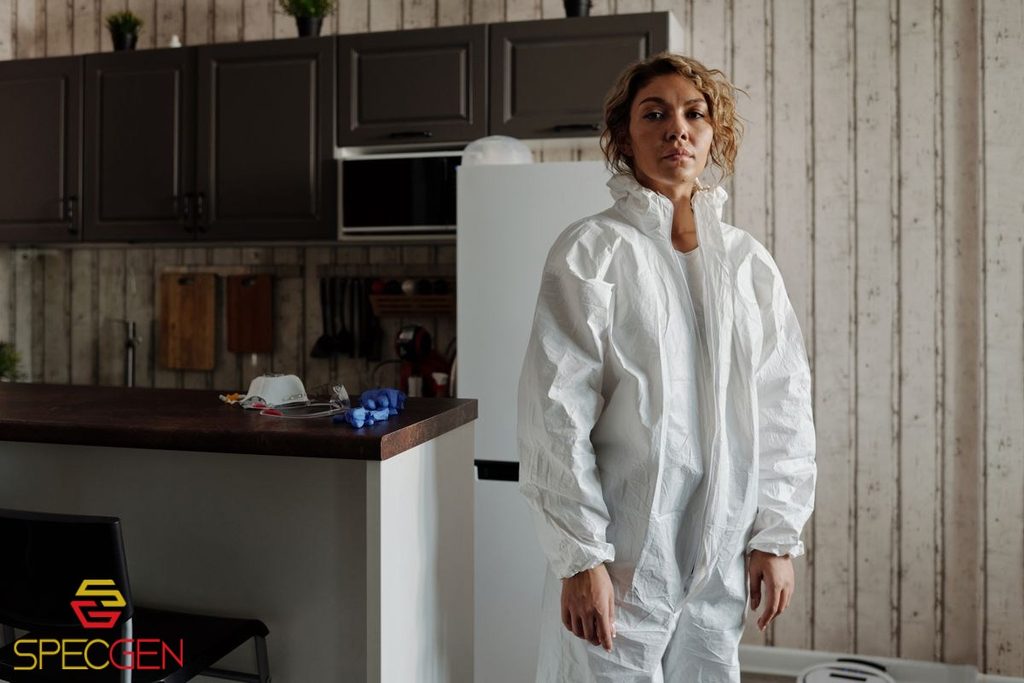
A good biohazard cleaning company answers plain questions. Ask about training, protective equipment, waste disposal, written documentation, and response hours. Look for a team that explains each step. Learn more about who SpecGen is and how the team works before you call.
Insurance rules differ, so ask your agent how your policy treats cleanup after a covered event. Knowing biohazard cleanup NJ basics makes that call easier. A reliable biohazard cleaning company will give you documents to share. Keep notes of dates, calls, and names. Photos taken from a safe distance can help with insurance.
Frequently Asked Questions
Call a professional any time blood, bodily fluids, sewage, or medical waste is present. These materials can carry germs, and household products rarely remove them fully. Trained crews have the gear and training to do it safely.
Cost depends on the size of the area, the type of material, and the damage involved. Ask for an assessment, a clear plan, and written details before work begins, so you know what is included.
It is cleanup that restores a space to a safe, usable condition. Crews remove contaminated materials, decontaminate surfaces, handle waste properly, and check for related problems like moisture, so the home is safe to use again.
Often yes. After contaminated materials are removed and surfaces are cleaned and sanitized, odor control treatments address lingering smells. Ask your provider whether deodorization is part of the plan and how they confirm results.
SpecGen says it responds around the clock, every day of the year. Call any time, keep everyone out of the affected area, and describe what happened so the crew can prepare the right equipment.