
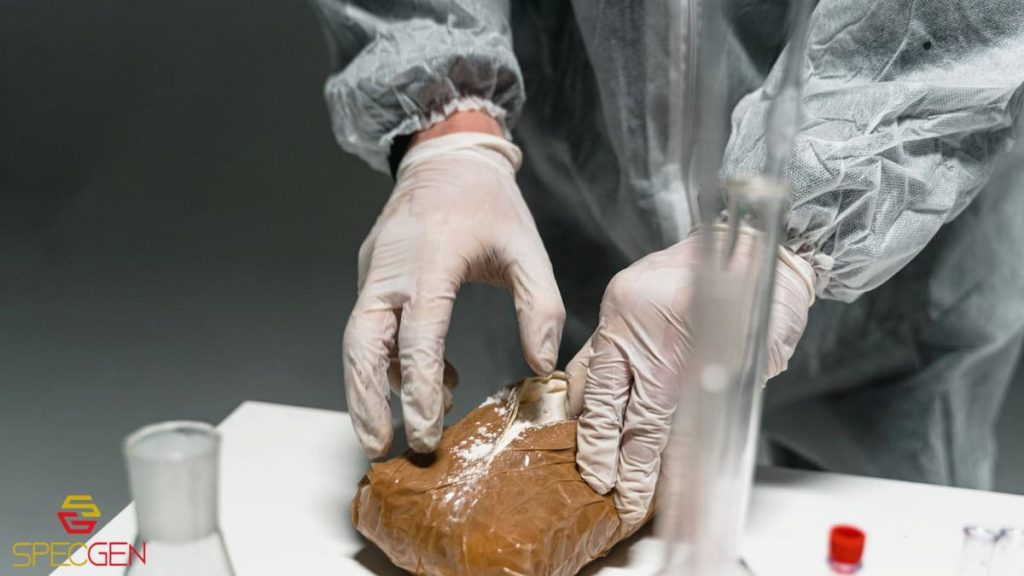
Key points:
- Learn the health and legal risks landlords face when a rental property is used as a drug lab.
- Understand what drug lab remediation and decontamination actually involves before a property can be reused.
- Find out how much cleanup typically costs and what steps protect you from liability.
Finding out a rental property was used to manufacture drugs is a landlord’s worst call to get. Beyond the shock, there is real chemical residue left behind, and real legal responsibility that comes with it.
Drug lab remediation in NJ is not a job for a regular cleaning crew, since the chemicals involved can soak into walls, flooring, and HVAC systems long after the people are gone.
This guide breaks down what property owners need to know, from spotting warning signs early to understanding illegal drug lab decontamination requirements. Whether you manage one rental or a dozen, knowing this process protects your tenants, your investment, and you.
Why Drug Lab Contamination Is So Dangerous
Manufacturing drugs like methamphetamine leaves behind chemical residue on nearly every surface in a home. These chemicals settle into carpets, drywall, cabinets, and even HVAC ductwork, where they continue off-gassing long after the lab is shut down. Simply repainting or replacing carpet does not remove what has soaked into the structure itself.
The danger does not leave when the tenants do.
Health Risks for Future Occupants
- Respiratory irritation from chemical residue in the air
- Skin contact reactions from contaminated surfaces
- Long-term exposure risks for children and pets
- Contamination of HVAC systems that spreads chemicals through the whole home
Landlord Drug Contamination Cleanup: Legal Responsibilities to Know
New Jersey law holds property owners responsible for disclosing known contamination and for properly remediating a property before it is rented or sold again. Skipping this step, even unknowingly, can expose you to lawsuits from future tenants or buyers.
What Happens If Remediation Is Skipped
- Liability if a future tenant or buyer gets sick
- Failed inspections during a sale
- Fines from local health departments
- Insurance claims being denied for undisclosed contamination
This is exactly why landlord drug contamination cleanup needs to be handled by a team that understands both the chemistry and the paperwork involved, not just the cleaning.
How to Spot the Warning Signs Early
Some signs a rental property was used as a drug lab are obvious. Others take a trained eye. Chemical smells that do not match normal household odors, unusual stains on walls or floors, and modified electrical wiring are all red flags worth taking seriously.
- Strong chemical or ammonia-like smells
- Yellow or brown stains on walls, ceilings, or floors
- Blacked out windows or unusual ventilation setups
- Excessive trash including chemical containers
- Burn marks or melted plastic in unusual places
What Drug Lab Remediation Actually Involves
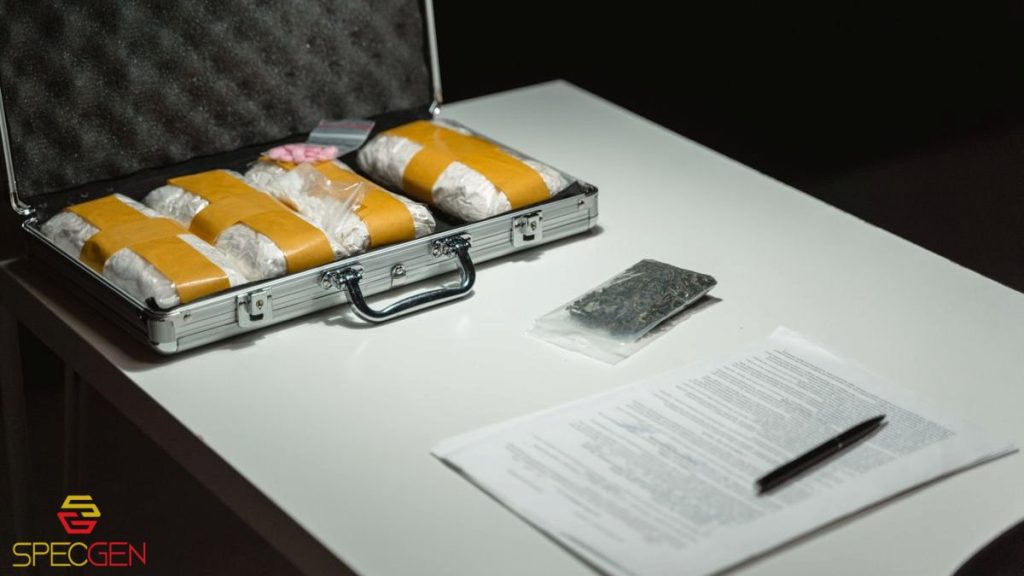
Real drug lab remediation in NJ starts with testing, not cleaning. Technicians test surfaces throughout the property to map out how far chemical residue has spread before deciding what can be cleaned and what has to be removed entirely. The approach shares a lot in common with how a team handles biohazard cleanup elsewhere in a property, since both require containment and specialized disposal.
The Remediation Process Step by Step
- Chemical testing to map contamination levels
- Removal of porous materials like carpet, insulation, and drywall that cannot be fully decontaminated
- Deep cleaning and treatment of salvageable surfaces
- HVAC system cleaning to remove circulated residue
- Post remediation testing to confirm safe levels
- Documentation for insurance, legal, and resale purposes
A good drug lab cleanup company in New Jersey treats this like a hazardous material job, because that is exactly what it is. This is not the same skill set as standard deep cleaning or a turnover clean between tenants, and it also differs from the disinfection standards used for medical-grade cleaning jobs, even though both involve strict protocols. Illegal drug lab decontamination always requires this level of specialized training, not a general cleaning crew.
Understanding Meth Lab Cleanup Cost
Meth lab cleanup cost varies widely depending on how long the lab operated and how much of the property is affected. A single contaminated room might run a few thousand dollars, while a whole house with HVAC contamination can climb into the tens of thousands.
- Size of the property and number of rooms affected
- Length of time the lab operated
- Level of HVAC and ductwork contamination
- Materials requiring full replacement versus treatment
This is why property remediation after a drug lab should always start with testing rather than guessing. Paying for testing upfront often saves money by narrowing down exactly what needs replacing versus what can be treated and reused. Getting a clear estimate for drug lab remediation in NJ before work begins avoids costly surprises later.
Protecting Yourself as a Property Owner Going Forward
Once a property is properly remediated, keeping good records matters. Save every test result, invoice, and clearance document from the hazardous cleanup for drug residue process, since these become important during future sales, refinancing, or insurance renewals. This kind of landlord drug contamination cleanup documentation is exactly what protects you if a dispute ever comes up later.
- Screen tenants carefully going forward
- Do periodic property checks between leases
- Keep remediation documentation on file indefinitely
- Know local reporting requirements if contamination is suspected
You can review our team’s certifications before hiring anyone for a job with this much legal weight attached to it. Our full range of property remediation services covers everything from initial testing through final clearance, and our specialty cleaning insights page has more guidance for landlords navigating a difficult property situation. You can also browse past remediation projects to see what a finished job actually looks like.
Choosing a Drug Lab Cleanup Company in New Jersey
Not every cleaning company is set up to handle this kind of job. Chemical decontamination requires specific training, protective equipment, and a clear understanding of both state health codes and disposal regulations. Hiring the wrong crew can leave you with a property that looks clean but still fails a follow-up test. This is the single biggest reason to vet any drug lab remediation in NJ provider carefully before signing a contract.
Questions to Ask Before Hiring a Remediation Company
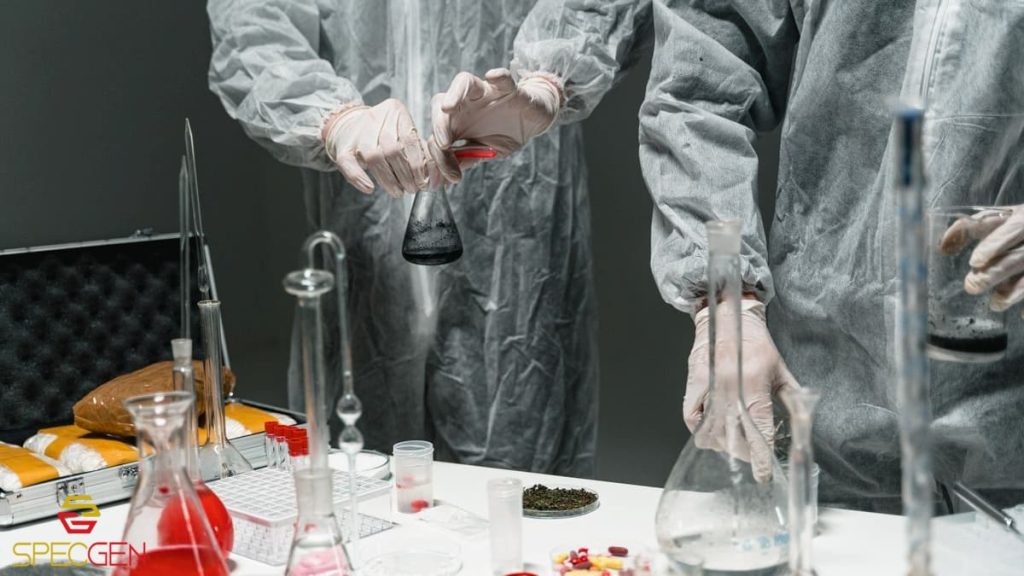
- Do they perform testing before and after the job, not just cleaning?
- Are technicians trained specifically in chemical decontamination?
- Do they provide documentation you can hand to insurers or attorneys?
- How do they handle disposal of contaminated materials legally?
- Can they walk you through the timeline before work begins?
A property that passes clearance testing gives you something concrete to point to if a tenant, buyer, or inspector ever asks questions later. That paperwork is worth just as much as the cleanup itself, since it is what actually protects you legally down the road. The same testing rigor applies to related jobs like viral decontamination or a sewage backup cleanup, where proof of a safe result matters as much as the cleaning itself.
Good documentation today prevents hard questions tomorrow.
Treat the entire process as an investment in the property’s future, not just a one-time expense. Property remediation after a drug lab that is backed by real testing rents faster, sells easier, and holds its value better than one with an unresolved question mark hanging over it.
Don’t Let a Drug Lab Cost You More Than Rent
A property that once housed a drug lab needs more than a fresh coat of paint before it is safe again. Skipping proper remediation puts tenants, buyers, and your liability at risk long after the story makes headlines.
SpecGen handles drug lab remediation in NJ with the testing and documentation property owners need to move forward with confidence, not guesswork.
Reach out to SpecGen before you relist, refinance, or re-rent a contaminated property, and get it cleared the right way from the start.
Frequently Asked Questions
Only after proper remediation and clearance testing confirm the property is safe. Renting or selling before that step can expose you to serious legal and financial liability.
Warning signs include chemical smells, stained walls, unusual wiring, and reports from neighbors or police activity. A professional inspection confirms what you cannot see.
Coverage varies by policy and by state. Some policies exclude illegal activity-related damage, so checking your specific policy language before assuming coverage is important.
Timelines depend on contamination level, but most jobs take one to three weeks between testing, removal, treatment, and confirmation testing.
Yes, with proper testing and remediation, hazardous cleanup for drug residue can bring contamination down to safe levels, though heavily contaminated materials like carpet or insulation usually need full replacement rather than cleaning.