
Words can feel confusing during a crisis. Folks often hear the terms trauma cleanup and crime scene cleanup used like they mean the same thing. They don’t, but they overlap a lot. Knowing the line between them helps families and property owners ask the right questions.
It also helps them pick a service that fits the situation. Understanding trauma cleanup vs crime scene cleanup in NJ is the first step toward a quicker, calmer recovery.
Both jobs deal with blood, body fluids, or other biohazards. Both need trained crews. Both follow OSHA rules and require licensed waste disposal. The difference is in the cause of the event and the paperwork that may follow.
This guide breaks it all down so you can make sense of the options. By the end, you’ll know which service applies and how to find a team you can trust for biohazard cleanup services in New Jersey.
What Crime Scene Cleanup Means
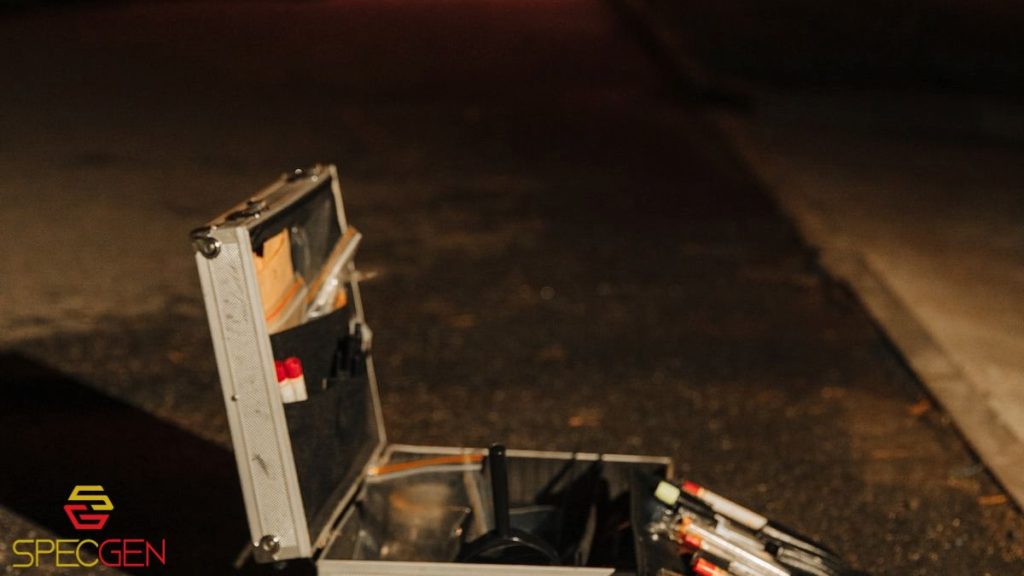
Crime scene cleanup is a specific kind of trauma work tied to a police case. Think shootings, stabbings, assaults, or any event where law enforcement is involved. Officers clear the scene and gather evidence. Once the case work is done, the family or property owner takes over the cleaning side.
Pros doing this work handle blood, body fluids, and contaminated items. They also follow chain-of-custody rules when needed. Any evidence left behind is handed over to the proper agency. Crews trained in crime scene cleaning steps follow strict procedures from start to finish. Paperwork from the service often plays a part in insurance claims and any legal proceedings. That paper trail also helps if the property is sold or rented out later on.
What Trauma Scene Cleanup Covers
Trauma cleanup is a wider category. It includes crime scenes but also covers many other tough moments. The work itself looks the same on the ground. The cause is what changes.
Common Trauma Events
Trauma cleanup often follows:
- Suicides at home or work
- Unattended deaths where remains were not found right away
- Serious household accidents like falls or major injuries
- Industrial or job site injuries
- Medical events with heavy blood loss
Each of these involves biohazards. Each one needs proper trauma remediation in Ocean County by a certified team. Speed matters. Fluids soak into porous materials within minutes.
Unattended Death Cleanup
This one stands out as the hardest. Unattended death cleanup in NJ can involve days or weeks of decomposition. Insects, odors, and deep contamination spread through the room. Floors, walls, padding, and furniture often need full removal. Air handling and odor control become huge parts of the job. Pros bring industrial gear, hospital-grade products, and patience.
Family members often arrive at these scenes after a welfare check. The shock can be overwhelming. A trained crew steps in quietly. They take the load off relatives who should never see what comes next. They also keep neighbors and landlords informed only as needed.
The Real Difference in Trauma Cleanup vs Crime Scene Cleanup in NJ
Here’s the simple breakdown. Same tools. Same safety rules. Different starting points.
- Crime scene cleanup is tied to a police case and may involve evidence handling.
- Trauma cleanup covers any biohazard event, with or without police involvement.
- Both follow OSHA bloodborne pathogen rules and use medical-grade products.
- Both teams ship contaminated material as regulated waste, never regular trash.
- Both jobs deserve discreet handling and 24-hour response from the right crew.
In other words, every crime scene cleanup is a trauma cleanup. Not every trauma cleanup is a crime scene cleanup. That’s the cleanest way to think about it. Companies offering biohazard remediation in NJ typically handle both under one roof.
The Health Risks Both Jobs Address
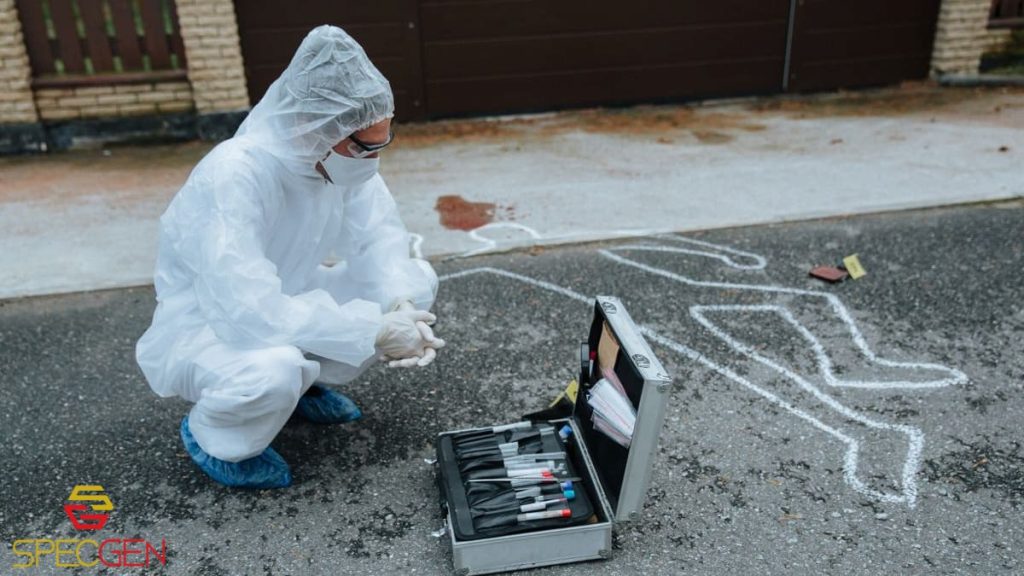
Either way, the dangers are real. Blood and fluids carry pathogens that stay alive for hours or days on surfaces. Pros take the threat seriously, and so should every family.
Common risks include:
- Bloodborne diseases like HIV, hepatitis B, and hepatitis C
- Bacterial threats like MRSA and C. diff
- Mold growth where moisture meets organic matter
- Strong odors that can trigger lasting health problems
- Insect activity in decomposition cases
Some of these threats stay active on surfaces for many hours. Hepatitis B can live on dry surfaces for up to a week. MRSA hangs on for days. That’s why pros never rush a job and never skip a sanitizing step.
Trained crews handle bloodborne pathogen cleanup in New Jersey with full PPE and the right chemistry. They also check for hidden moisture that could lead to mold. Many homes that go through trauma also need follow-upmold inspection and remediation once the main work is finished.
How to Pick a Certified Trauma Cleanup Company in New Jersey
Choosing help during a crisis is hard. The right questions narrow the field fast. Look for the following when searching for a certified trauma cleanup company in New Jersey:
Training and Certification
Ask about OSHA bloodborne pathogen training. Ask if technicians carry certifications from groups like the IICRC or ABRA. A real pro will share these without hesitation. Crews handling emergency trauma cleanup in New Jersey keep records of every certification on file.
Speed and Discretion
Time matters. The right team answers 24 hours a day. They drive unmarked vans to keep things private. They never ask the family to explain more than they want to. A trustworthy crew leads with compassion and ease. Many also offer hoarder cleanup for tied-in situations. The first call should feel calm and clear. If a company pressures you or pushes paperwork before checking on the family, that’s a sign to keep looking.
Other Services That Often Come With Trauma Cleanup
Some events leave more than one type of damage behind. A good company can handle the full picture in one visit.
- Trauma scene sanitization in Toms River for deep germ removal
- Carpet cleaning and floor cleaning for surrounding rooms
- Indoor air quality testing to confirm safe air
- Air quality testing in Toms River for wider coastal homes
- Fire and smoke damage cleanup when fires were also involved
- Sewage backup cleanup when the plumbing failed, too
A team that handles many tied services saves families from juggling many calls. One company, one bill, one point of contact. That matters most during a season when every extra task feels like too much. Look through the project gallery and read up on the team behind the work before you decide. Many homeowners also explore specialty cleaning insights for added context.
In the Hardest Hours, a Trained Hand Brings Quiet Strength
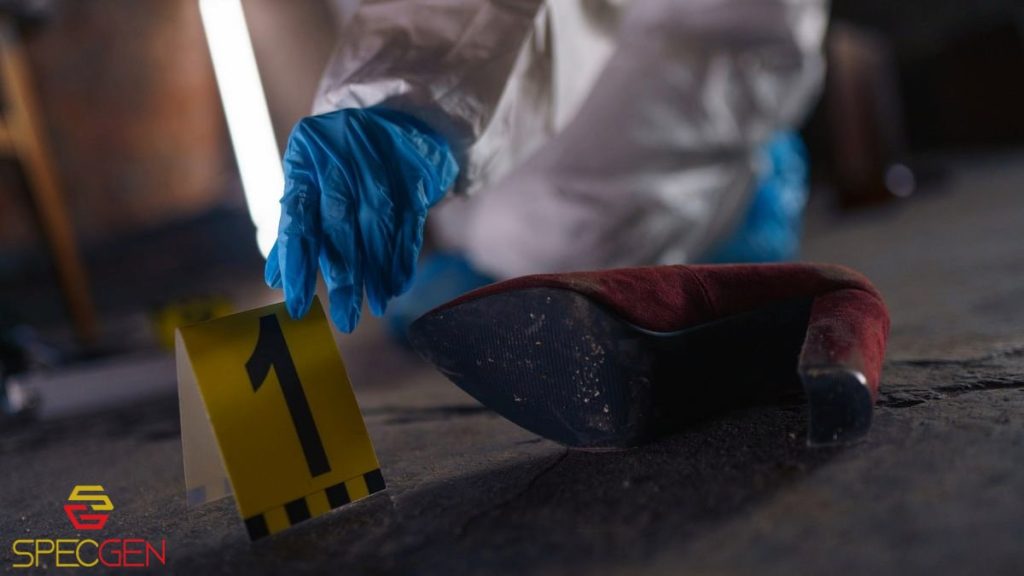
Trauma and crime scene events leave families overwhelmed. The cleanup that follows is heavy in every sense. Trained crews step in with quiet confidence, full safety gear, and full discretion. They handle the work no family should ever have to face alone. Every step protects health, restores the home, and keeps records ready for insurance or legal needs. Picking a certified team means faster recovery, fewer risks, and more space to focus on healing during a season that already takes so much.
SpecGen Clean brings 24-hour emergency response and full biohazard training to every NJ community.
Contact us when you need a steady hand, a private team, and a careful plan to bring your home back.
FAQs
Not exactly. Crime scene cleanup is a type of trauma cleanup tied to a police case. Trauma cleanup includes that plus suicides, unattended deaths, accidents, and any biohazard event without police involvement.
Most policies offer some coverage for biohazard work. Limits vary. Trained companies bill insurance directly for many claims. Always confirm coverage with your agent and the cleanup team before work starts.
Small jobs finish in a few hours. Larger jobs, like unattended deaths, can take several days. Time depends on the size, condition, and number of porous materials that need removal and decontamination.
No. Bloodborne pathogens like HIV and hepatitis stay active on surfaces. Doing it yourself risks serious illness. Improper disposal also violates state and federal waste rules. Always call a trained team.
Call right away. Fluids soak into porous materials within minutes. Odors and bacteria spread fast. The sooner trained crews arrive, the more of the home and its contents can be saved.