
Key points:
- Most sewage backups start with a clog, tree roots, or a damaged line. Grease and wipes make them worse.
- Sewage is a biohazard. Stay out, keep children and pets away, and call a professional to clean it up.
- Prevention costs less than cleanup. Watch what goes down drains and ask a plumber about a backflow device.
You flush the toilet, and water rises in the tub. Or you smell something foul and find water on the basement floor. A sewage backup is stressful, smelly, and unsafe. Knowing the causes of sewage backup helps you act fast and prevent a repeat. That sinking feeling is perfectly normal. You are not alone.
This guide covers why backups happen, what to do right away, and how professional cleanup works in New Jersey homes. It also lists simple habits that cut your risk. It also explains who is usually responsible for each part of the line, since that affects who you call. Take notes, since a plumber will ask what you saw. Nothing here replaces advice from a licensed plumber.
If water is already inside, jump to what sewage backup cleanup involves first. Then come back for prevention tips. We keep the steps short and very plain. Safety comes first.
Causes of Sewage Backup in New Jersey Homes
Local utility guidance says backups usually involve blockages in a public sewer main or a private service line, and pipe breaks from tree roots or aging pipes are common causes. Inside your home, grease, hair, and wipes are frequent culprits.
| Cause | Warning signs | What helps |
| Grease and food waste | Slow drains and gurgling | Keep grease out of drains |
| Wipes and hygiene products | Repeated toilet clogs | Flush only toilet paper |
| Tree roots | Slow drains that keep returning | Avoid planting trees over the line |
| Broken or collapsed pipe | Backups that return after clearing | Camera inspection and repair |
| Blockage in the main line | Several fixtures back up at once | Call your plumber or utility |
Wipes, Hair, and Paper Towels
Wipes labeled flushable can still clog pipes. Hair and paper towels catch on rough spots inside a line. Local guidance lists wipes, diapers, and paper towels among items that pipes handle poorly. Older clay or cast iron pipes can crack or shift, and roots then find the joints. A camera inspection shows what is inside.
Why Your Sewer Backs Up in Some Homes and Not Others
Older pipes, nearby trees, and low basements raise the risk. Why your sewer backs up often comes down to what is in the line and where your home sits. Wastewater escapes through the lowest drains, which are often in basements. That water can spread into walls and floors, so see how water damage restoration and odor control help afterward.
Where the Problem Is
If only one drain backs up, the cause may be inside your home. If several fixtures back up at once, the blockage may be in the main line. A backup that happens when you use water and drains slowly afterward often points to your private line.
Sewer Line Backup Causes Inside and Outside Your Home
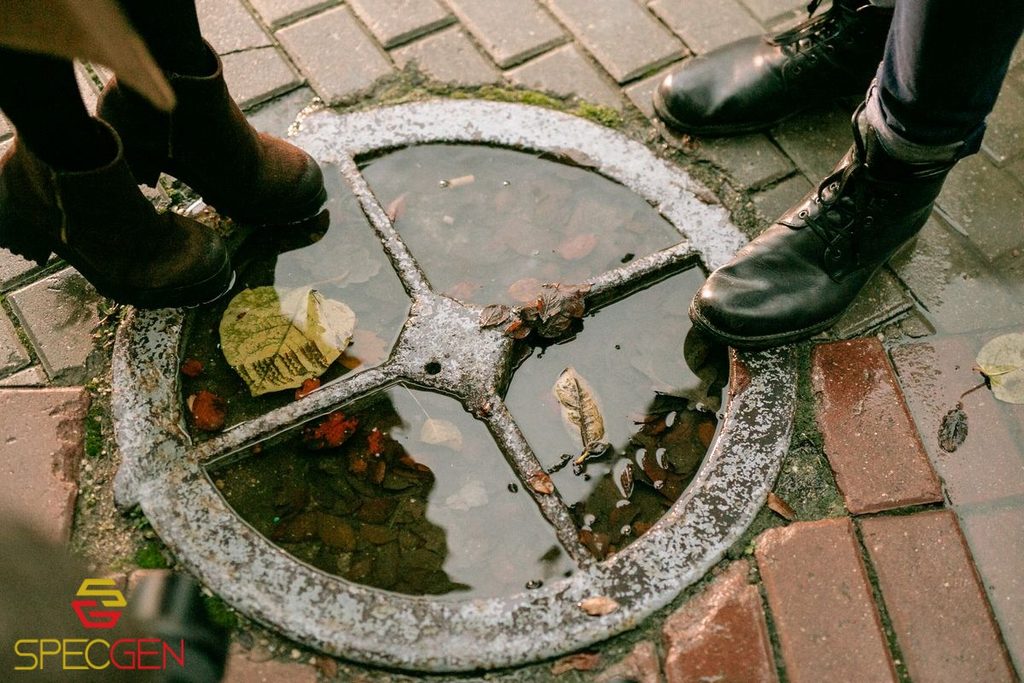
Some sewer line backup causes sit on your property, and some sit in the street. Ask which part of the line is clogged before you decide who should fix it. Other sewer line backup causes include heavy storms and aging pipes.
- Private service line: the pipe between your home and the main
- Public sewer main: the town or utility line
- Indoor plumbing: drains, traps, and fixtures
- Deteriorating pipes: cracks, collapse, or bad joints
Who Is Responsible?
Responsibility depends on where the blockage is. A blockage in the public main is usually the utility’s concern. A blockage in your private line is usually yours. Call your town utility to learn the rules. Knowing the causes of sewage backup helps you describe the problem clearly.
Sewer Backup Home NJ Owners Should Know
A town guide notes that sewer backups are most commonly a private problem and the responsibility of the homeowner. Rules differ by municipality, so check with your local utility. Many families searching for sewer backup home NJ help also wonder about mold afterward, so read about mold risks after water damage.
See the full range of cleanup solutions if more than one problem appears at once.
Sewage Backup Prevention: Simple Habits That Work
Good sewage backup prevention is mostly about habits and inspection:
- Keep grease, oil, and paint out of drains
- Flush only toilet paper
- Use the garbage disposal sparingly
- Avoid planting trees and shrubs over the line
- Keep your cleanout cap on tight
- Ask a plumber about a backflow prevention device
Backflow Devices
A backflow prevention device, installed by a qualified plumber, can help stop sewage from flowing back into your home. Ask what type fits your plumbing. This is a strong step in sewage backup prevention for homes with basement drains.
Kitchen and Laundry Habits
Scrape plates and wipe greasy pans before washing. Do not put large amounts of vegetable waste through the garbage disposal at once. If your washer drains into a sink, use a lint trap there.
Prevent Sewage Backup Before Storm Season
To prevent sewage backup before heavy rain, schedule a camera inspection of your private line, clear roots, and check floor drains. Ask your insurer about a sewer or water backup endorsement too. If you notice odors, consider indoor air quality testing after any event.
Learn who SpecGen is and how the team works before you need help. Keep a log of clogs, what was flushed, and what the plumber found. Patterns show whether the cause is habit or pipe. Ask neighbors if they have had backups. Several homes with the same problem may point to the main line.
Sewage Cleanup NJ: What to Do and Who to Call
Sewage cleanup NJ work is not a do-it-yourself job. SpecGen says sewage is Category 3 black water that can contain bacteria like E. coli and Salmonella, plus viruses and parasites. Take these steps:
- Stop using water and plumbing fixtures
- Keep people and pets out of the area
- Do not walk through standing water near electrical systems
- Call a plumber to find the cause
- Call a cleanup team for extraction and decontamination
What Not to Do
- Do not wade through standing water
- Do not keep soaked carpets or belongings
- Do not cover odors with air fresheners
- Do not use electrical items near wet areas
Take photos of affected areas before cleanup.
What Cleanup Looks Like
SpecGen says its crews extract black water, decontaminate surfaces with EPA-registered disinfectants, and dry the structure with documented moisture readings. Drying often takes three to five days. Many standard homeowners policies do not include sewage backup unless an endorsement was added. For more homeowner tips, read cleanup guides.
Stop the Next Backup Before It Starts
This weekend, find your cleanout cap and check that it is tight. Pour kitchen grease into the trash instead of the drain. It takes about five minutes. Small habits like these shrink the causes of sewage backup in your home. Mark your calendar to repeat the check each season.
SpecGen Clean responds to sewage backup calls across New Jersey 24 hours a day. The team extracts black water, decontaminates, and dries the space with documented moisture readings. Ask the team what records you will receive for your insurer.
Already have water inside? Call 732-908-8988, or contact us right now, day or night. Keep everyone out until the crew arrives, and do not wade through water if electrical outlets are nearby.
Frequently Asked Questions
Common causes include grease buildup, wipes and other flushed items, tree roots, damaged or collapsed pipes, and blockages in the main line. Each has warning signs, so slow drains and gurgling deserve quick attention.
Heavy rain can overload systems and stress older pipes, and low basements are often the first place wastewater appears. A plumber can inspect your line and recommend a backflow device if your home is at risk.
Cost depends on the amount of water, the type of contamination, the materials affected, and the drying time. Ask for an assessment and a written scope of work before cleanup starts.
Have a plumber inspect the line with a camera, keep grease out of drains, flush only toilet paper, and avoid planting trees over the line. Ask about a backflow prevention device and your insurance options.
Often not. Many standard homeowners policies do not cover sewer or drain backup unless you add an endorsement. Read your policy, ask your agent, and consider the added coverage before a loss happens.