
Key points:
- Mold and mildew are related fungi. Both grow where moisture lingers, so fixing the water source comes first.
- Small patches on hard surfaces may be a do-it-yourself job. Large or water-related growth needs a professional.
- Hidden mold often shows up as a musty smell, new allergy symptoms, or damp spots that keep returning.
You spot dark spots on the shower wall or a fuzzy patch in the basement corner. Is it mold, or just mildew? That question matters, since the right fix depends on the answer. The mold vs. mildew debate comes down to depth, spread, and moisture. You are not the first to wonder. That uncertainty is normal.
This guide shows how to tell them apart, which signs point to a bigger problem, and when to call a professional. You will also see what you can safely handle yourself. Take photos as you go, since they help any expert. It also covers prevention, since the best mold plan stops growth before it starts. Nothing here replaces a professional inspection.
If the spot followed a leak, read about water damage restoration too. Mold and water problems often travel together. Dry first, then decide. A small step now can prevent a big repair later.
Mold vs Mildew: What Is the Difference?
Health researchers explain that mold and mildew are related but different types of fungus. In everyday terms, mildew usually stays on the surface. Mold can dig into materials and spread through hidden spaces. Telling mold vs. mildew apart takes a close look. If growth wipes away easily and the surface stays intact, it may be mildew. If the material feels soft, swollen, or stained through, suspect deeper mold.
| Feature | Mildew | Mold |
| Typical look | Flat, powdery, or downy patches | Fuzzy, slimy, or raised growth in many colors |
| Common spots | Shower walls, window sills, damp fabric | Drywall, ceilings, insulation, carpet, hidden cavities |
| Cleanup | Often scrubbed from hard surfaces | May need containment and removal of materials |
| Health | Can trigger allergy symptoms | Can trigger allergy and asthma symptoms |
Both need moisture. The EPA puts it simply: the key to mold control is moisture control. Check indoor air quality testing if you suspect hidden growth or lingering odors.
Do not rely on color alone. Color does not tell you how serious growth is.
Why Mildew Is Not Always Harmless
Mildew can still bother people with allergies, and it can mean moisture is present. Treat it as a message. Fix the cause, clean the surface, and watch the area.
Where Mold Hides
- Behind wallpaper and paneling
- Under carpet and padding
- Inside walls near plumbing
- Above ceiling tiles
- In basements and crawl spaces
Cluttered homes can hide growth too. See hoarder cleanup if belongings block walls or floors.
Signs of a Mold Problem in Your NJ Home
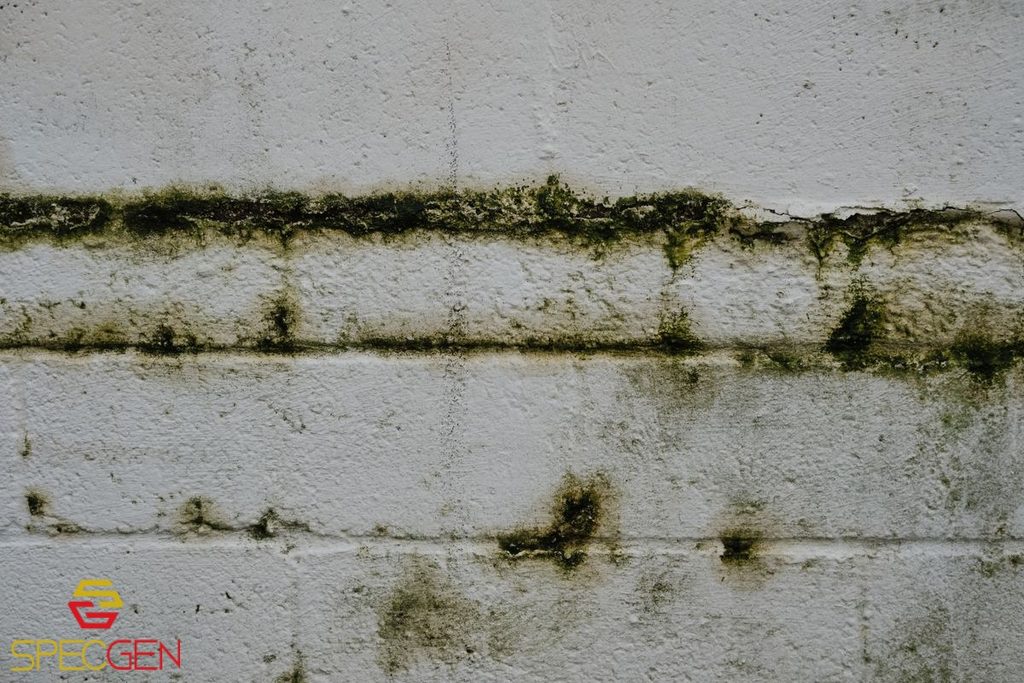
Mold does not always announce itself. Learn the signs of a mold problem before it grows:
- Dark spots or discoloration on walls, ceilings, grout, or around windows
- A musty or earthy smell, especially in basements or after rain
- New allergy symptoms, congestion, or eye irritation
- Recent water damage, flooding, or a leak that seemed to dry
- Condensation on windows, pipes, or walls
- Peeling paint, bubbling wallpaper, or warped materials
Health researchers link damp indoor spaces with asthma. Mold can trigger sneezing, coughing, itchy eyes, and wheezing, especially in people with allergies or asthma. If symptoms ease when you leave home, tell your doctor.
These signs of a mold problem deserve attention. Take a photo of each spot with a coin for scale and note the date. Compare it after a week. If several signs show up, treat them as a warning.
Strong smells can also point to other problems, and professional odor control can help once the cause is fixed. Browse the full set of cleanup solutions to see what fits your situation.
When to Call for Mold Remediation
Knowing when to call for mold remediation saves time and money. The EPA says small areas under about 10 square feet may be handled by homeowners, while larger areas need more help. Call a professional when:
- Growth covers more than about 10 square feet
- The mold followed a flood, sewage backup, or major leak
- The mold may be in your HVAC system
- Someone in the home has asthma or allergies
- You smell mold but cannot find it
Mold After Water Damage
After a flood, sewage backup, or major leak, mold can begin in 24 to 48 hours in damp conditions. Fast drying lowers risk. SpecGen says its water damage crews apply antimicrobial treatment during drying.
Mold Remediation NJ: What Pros Do
Real mold remediation NJ follows a structured process. SpecGen says it includes inspection, moisture mapping, air and surface sampling, containment with negative air pressure, HEPA air filtration, removal of affected materials, antimicrobial treatment, and moisture source correction. After a sewage backup, the team also checks for hidden mold.
Professional Mold Cleanup NJ: Clearance Testing
Good professional mold cleanup NJ ends with proof. SpecGen says it runs clearance testing after remediation and provides a written report. Ask for that report before you move furniture back. Costs vary with the size of the area, so ask for a written scope before work starts. Read how quickly mold can grow after water damage.
What a Free Assessment Includes
- A visual check for mold and moisture
- Moisture mapping with meters and thermal imaging
- Air sampling compared with outdoor samples
- Surface sampling sent to an accredited lab
Mildew vs Mold Cleanup: What You Can Do Yourself
For a small area on a hard surface, mildew vs mold cleanup may be a safe do-it-yourself task. The EPA says to avoid touching mold with bare hands and to protect your eyes. Use these steps:
- Fix the leak or moisture source first
- Wear gloves, eye protection, and a mask
- Scrub hard surfaces with detergent and water
- Dry the area completely
- Discard moldy porous items like ceiling tile or carpet
Do not paint over mold. Paint hides the problem but does not fix moisture.
When Do It Yourself Is Not Enough
If the same spot returns, or the area is larger than you thought, stop. Repeated growth usually means moisture is still present. Call for mold remediation NJ help instead of repainting. Never mix bleach with ammonia or other cleaners, and do not use dry brushing that spreads spores.
Skipping this step makes any mildew vs mold cleanup effort temporary.
Mold Removal New Jersey: Prevention Tips
Mold removal New Jersey homeowners can lower their risk with simple habits. Run exhaust fans in bathrooms, use a dehumidifier in damp basements, and fix leaks quickly. Dry wet areas within a day or two. Wipe up spills and condensation quickly, and store boxes off basement floors. If growth keeps returning, learn who SpecGen is and how the team works.
Catch It Before It Spreads
This weekend, check under sinks, around windows, and in the basement corner. Touch the wall. Smell the air. That quick check is the best mold vs. mildew test most homes ever get. Write down what you find.
SpecGen Clean offers mold inspection and remediation across New Jersey, with a free mold assessment and 24/7 emergency response. The team uses moisture meters, thermal imaging, and sampling to find hidden problems. The team gives an estimated timeline after the first assessment.
Not sure what you found? Call 732-908-8988, or reach out to us with photos. The team can help you decide your next step. Photos help a lot, and no question is too small. Even a blurry photo is useful. Call early.
Frequently Asked Questions
Mildew is usually a flat, surface growth, while mold can be thicker and spread into materials. Both need moisture. If growth is large, hidden, or follows water damage, treat it as mold and call a professional.
Any mold growth should be assessed, regardless of color. Species identification through lab sampling can guide the plan. If someone has asthma or allergies, take mold seriously and avoid disturbing it.
Cost depends on the size of the area, the materials involved, and how far the mold has spread. SpecGen offers a free assessment and estimate, so you get a price based on what it finds.
SpecGen says contained mold in a small area may take one to two days, while extensive contamination can take a week or more. Ask for an estimated timeline after the initial assessment.
Call quickly if materials stayed wet for more than a day or two, or if you see or smell mold. Mold can begin in 24 to 48 hours in damp conditions, so fast drying lowers risk.