
Key points:
- Call professionals when blocked exits, contamination, pests, unstable piles, or damaged utilities make entry unsafe.
- A respectful cleanup plan protects important belongings while addressing health, fire, and structural risks.
- Clear goals, written scope, and steady communication help families avoid rushed decisions and repeat buildup.
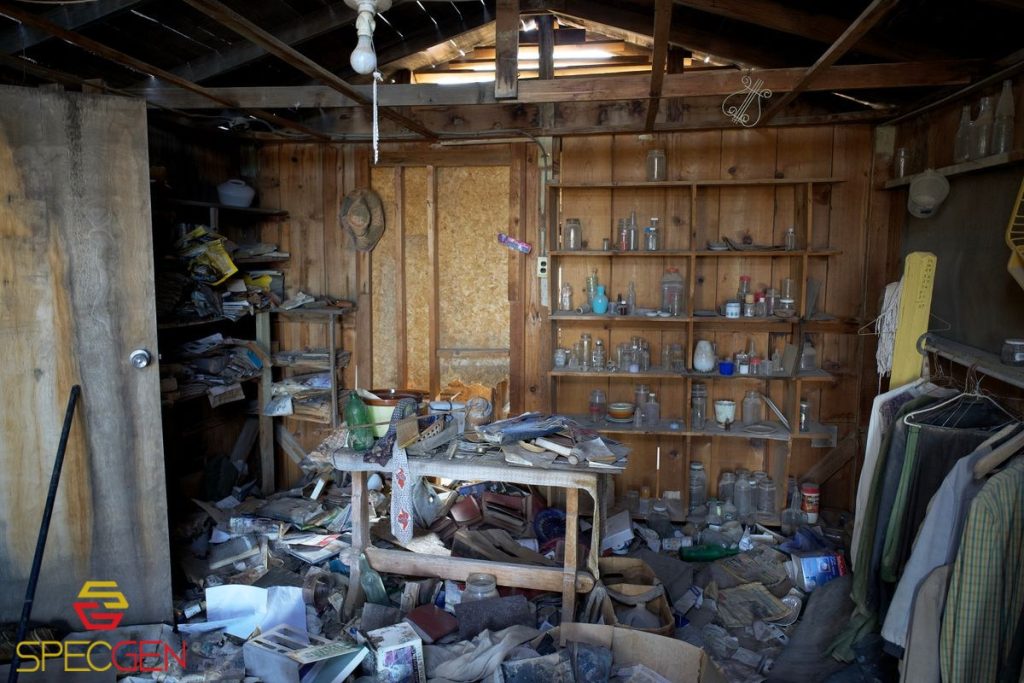
When belongings take over rooms, families often feel stuck between urgency and fear of upsetting someone they love. Hoarding cleanup in Ocean County, NJ, is not the same as hauling away ordinary clutter. The home may contain blocked exits, spoiled food, animal waste, mold, pests, sharp objects, or unstable stacks. It may also hold photographs, documents, medication, and items with deep personal meaning.
Start by separating immediate danger from the larger cleanup. If you smell gas, see exposed wiring, notice structural movement, or cannot reach an exit, leave and call the right emergency service. For a non-emergency situation, review professional hoarder cleanup before planning the first visit.
A trained team can assess access, contamination, disposal, and cleaning needs. This guide explains warning signs, hoarding cleanup in Ocean County, NJ, and questions that help you choose support. You can move forward while keeping dignity central. The work should respect consent, privacy, and pace.
When Hoarding Cleanup in Ocean County, NJ Requires Professional Support
Some homes need patience and basic organizing help. Other homes need controlled removal, protective equipment, and specialty cleaning. The difference rests on risk, not the number of boxes alone.
The federal fire service explains that crowded cooking areas, blocked doors, and piles that restrict firefighter movement create serious hazards. Keep exits clear and combustible items at least three feet from cooking or heating equipment. If you cannot create those clearances safely, bring in help.
Warning signs you should not ignore
Call a professional hoarding cleanup NJ company when you find conditions such as:
- Doorways, windows, stairs, or hallways that no longer provide a clear path.
- Waste, needles, chemicals, feces, urine, spoiled food, or dead animals.
- Active insects, rodents, strong odors, or visible mold.
- Floors that sag, ceilings that leak, or piles that lean and shift.
- Water, electrical, heating, or plumbing systems that cannot be reached.
- A person who may become trapped during a fire or medical emergency.
Do not climb over unstable piles. Do not test switches near standing water. A quick attempt can create a second emergency.
When ordinary decluttering may still work
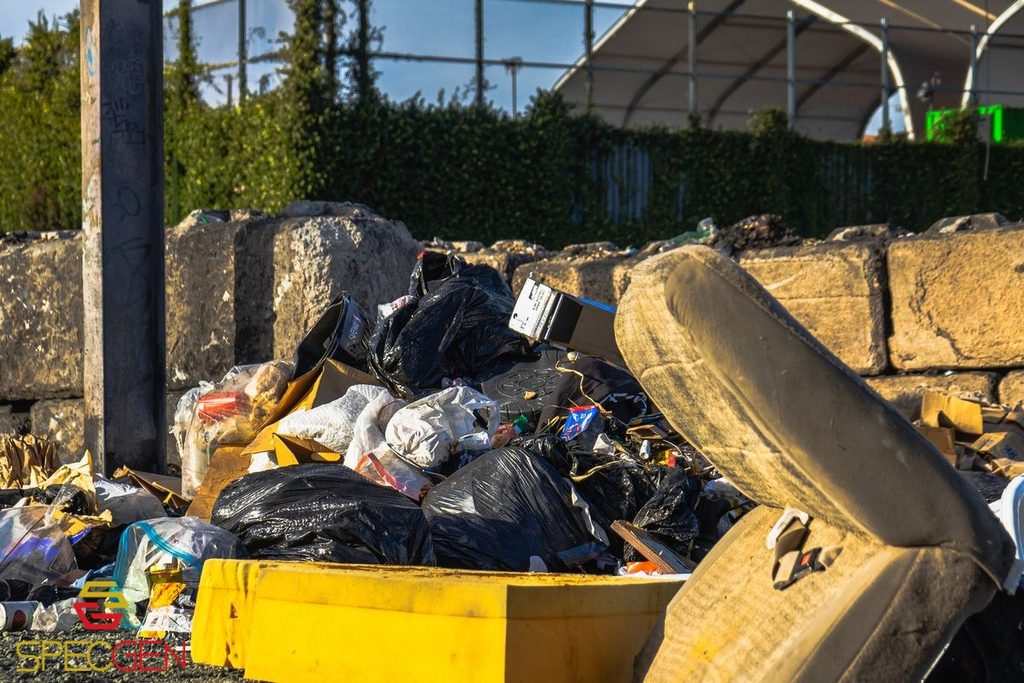
Light buildup may be manageable when exits remain open, utilities work, and no contamination exists. Begin with one small zone. Set aside obvious trash, keep decisions limited, and stop before fatigue takes over.
If odors, moisture, or heavy soil remain after items move, commercial deep-cleaning support may address the surface condition. Yet cleaning alone will not solve a biohazard or an unsafe structure.
Why Forced Cleanouts Often Backfire
Hoarding disorder involves persistent difficulty discarding possessions and distress connected with letting them go. It is not laziness. A surprise dumpster or family ultimatum can damage trust.
The person living in the home should have a voice whenever immediate danger allows it. Agree on the first safety goal. That might mean opening one exit, reaching the electrical panel, or clearing a path to the bathroom.
Keep the first conversation practical
Use specific observations. Say, “The back door cannot open,” instead of, “This house is a disaster.” Ask which items need special review. Explain what must happen for safety.
During hoarder cleaning in Ocean County, create simple categories:
- Keep in the home.
- Review with the owner.
- Important documents and valuables.
- Donate when safe and usable.
- Dispose of due to contamination or damage.
Photograph important areas with permission. A basic record reduces confusion later. It also helps the cleanup team explain what changed.
Protect privacy from the start
Ask how the crew will handle vehicles, uniforms, neighbors, and building access. A discreet crew should limit unnecessary exposure. Property managers should also restrict information to people who need it.
Extreme cleaning services in Ocean County may overlap with odor removal at the source or post-exterminator sanitation. Coordination prevents duplicated work.
What Hoarding Removal Services New Jersey Should Include
A reliable provider begins with a site review. The team should identify hazards, access limits, utilities, salvage priorities, disposal needs, and areas that require containment. You should receive a clear scope before the team begins major removal.
Assessment and a written plan
The assessor should ask who can approve decisions. They should learn whether children, older adults, pets, tenants, or vulnerable occupants use the property. They should also note deadlines from a landlord, insurer, court, or code official.
Good hoarding removal services in New Jersey explain:
- Which rooms and materials the estimate covers.
- How the team handles personal papers and valuables.
- What counts as ordinary waste or hazardous material.
- Whether disposal, cleaning, deodorizing, and repairs are separate.
- How schedule changes or added work receive approval.
A detailed scope makes estimates easier to compare.
Sorting, removal, and contamination control
Crews usually establish safe paths first. They may sort contents in a controlled area, package waste, and remove unsalvageable materials. When blood, feces, sewage, or decomposition exists, the work can require biohazard cleanup procedures rather than standard hauling.
Extreme Cleaning Services Ocean County may use protective equipment, HEPA filtration, specialty disinfectants, and odor-control tools. Methods should match the hazard. More chemicals do not mean better cleaning.
Cleaning, drying, and final review
After removal, the crew can reach floors, walls, fixtures, and hidden moisture. Water staining or musty odors may require mold inspection and remediation. Sewage exposure needs a different approach through sewage backup cleanup.
Ask for a walkthrough. Confirm that exits open, essential rooms work, waste has left the site, and agreed cleaning is complete. Note any repair work that still belongs to another trade.
How to Choose a Hoarding House Cleanup NJ Provider
Price matters, but the lowest number may exclude disposal, protective equipment, or deep cleaning. Ask every company to inspect the same areas and quote the same scope.
Questions that reveal the real service
Before booking property cleanup in Ocean County, NJ, or hoarder cleaning in Ocean County, ask:
- Who supervises the job and communicates with your family?
- How does the crew handle documents, jewelry, cash, and keepsakes?
- What training applies when biohazards or mold appear?
- Where do removed materials go, and what disposal fees apply?
- Can work happen in phases if the occupant needs more time?
- What insurance and documentation can the company provide?
Look at examples in the specialty cleaning gallery and ask for references tied to similar conditions. You need evidence of organized work, not dramatic promises.
Plan for what happens after cleanup
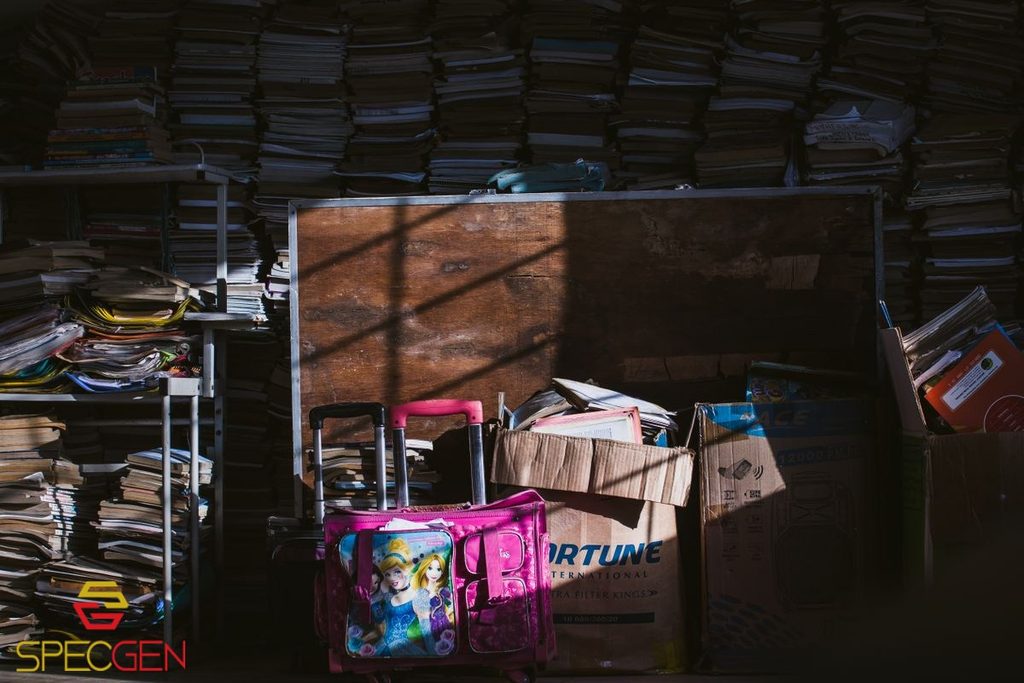
A clean room can fill again if the underlying pattern receives no support. Families may need a therapist, organizer, social worker, case manager, or local agency. The cleaning company should stay within its role while coordinating access when requested.
For a hoarder cleanup near me, plan follow-up checks. Keep exits open. Limit incoming items. Address leaks quickly. Respectful reminders work better than surprise inspections.
Clear the Risk Without Clearing Away Respect
A safer home starts with one clear decision, not a rushed demand. Hoarding cleanup in Ocean County, NJ should protect exits, reduce contamination, and preserve the person’s dignity. A careful plan also gives your family realistic checkpoints when the full property cannot change in one day.
SpecGen Clean assesses hoarding conditions, organizes removal, and provides property cleanup in Ocean County, NJ. The team can coordinate odor control, biohazard handling, and deep cleaning. Call 732-908-8988 to explain current safety concerns.
Contact us to request an assessment and written scope. Share blocked access, utilities, pets, moisture, and contamination before arrival. You can ask how the crew protects valuables and handles decisions that need your approval. That first conversation can create a manageable path forward.
Frequently Asked Questions
Timing depends on property size, volume, contamination, sorting decisions, access, disposal, and cleaning depth. A site visit should produce a clearer schedule. Careful phased work may help when safety permits.
Sometimes, but active hazards may require occupants to leave work areas. Ask the supervisor about safe zones, pets, utilities, and decision points before the crew begins moving or treating materials.
Coverage depends on the policy and the cause of covered damage. Routine accumulation may not qualify. Ask your insurer what documentation it needs before authorizing work or discarding damaged property.
Agree on a recovery process before removal starts. Crews can place possible valuables in a review area. Wet or contaminated documents may need specialist advice before handling, drying, or disposal.
No. Junk removal focuses on hauling. Hoarding house cleanup NJ may include assessment, sorting, biohazard controls, deep cleaning, odor treatment, moisture review, occupant coordination, and safe handling of personal property.