
Key points:
- Learn why fast graffiti removal protects your property value and discourages repeat vandalism nearby.
- Understand which removal methods work best on brick, glass, and painted commercial surfaces.
- Find out what commercial graffiti removal service pricing looks like and how to prevent future tagging.
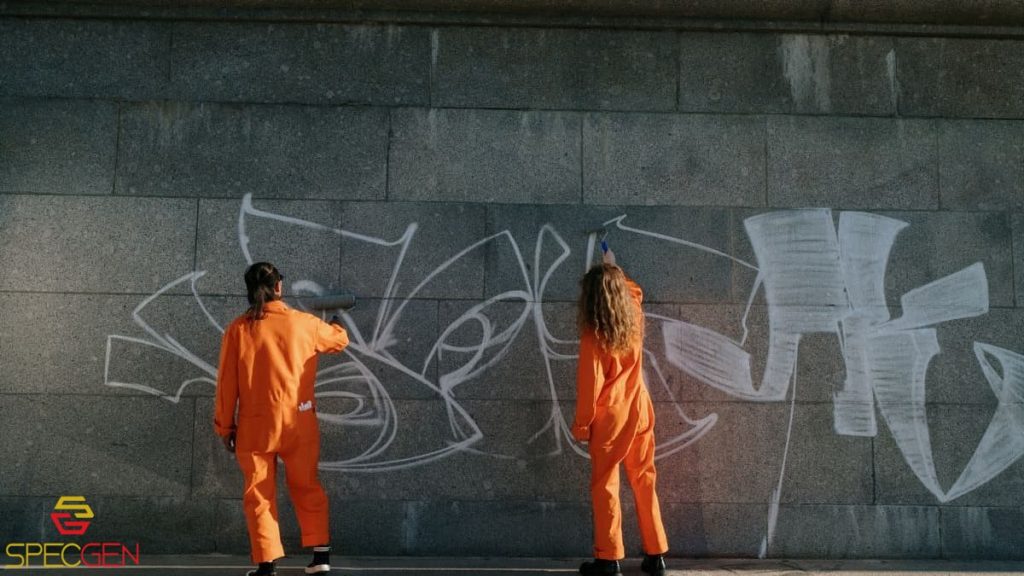
Graffiti on a storefront sends a message you never asked to send. It tells customers a property is not being watched, and it often invites more tagging within days if it is left alone. Graffiti removal in Lakewood NJ matters for exactly that reason; speed keeps a small problem from becoming a repeated one.
This guide covers how a commercial graffiti removal service handles different surfaces, what removal typically costs, and how property owners can make their building a less attractive target going forward.
Why Fast Graffiti Removal Matters for Business
Studies on urban property crime consistently show that graffiti left in place for even a few days invites more of it. Vandals target properties that look unmanaged. A clean, well-kept storefront sends the opposite signal. Business owners searching for graffiti removal in Lakewood NJ usually reach out for exactly this reason, before a small tag turns into a bigger pattern. Graffiti left up is basically an invitation.
The Business Impact of Visible Graffiti
- Lower perceived property value for buyers or tenants
- Reduced customer foot traffic near visibly vandalized storefronts
- Increased risk of additional tagging within days
- Potential municipal fines for property owners who do not remove it promptly
Choosing the Right Method for Each Surface
Not every surface responds to the same cleaning method. What works fast on glass can etch or discolor brick. Getting this wrong can leave permanent damage that costs more to fix than the graffiti itself. Whether the job is graffiti removal in New Jersey more broadly or a single storefront in Lakewood, matching the method to the material always comes first.
How to Remove Graffiti from Brick
Brick is porous, so paint soaks into the surface instead of sitting on top of it. Pressure washing alone often pushes pigment deeper into the pores instead of out. A proper approach to how to remove graffiti from brick usually combines a chemical graffiti remover with controlled pressure washing, then a sealant to make future cleanup easier.
- Apply a graffiti-specific chemical remover, not a general cleaner
- Use low to moderate pressure washing to lift residue
- Seal the brick afterward to protect against future tagging
- Avoid sandblasting, which wears down the brick surface over time
Removing Graffiti from Glass and Metal
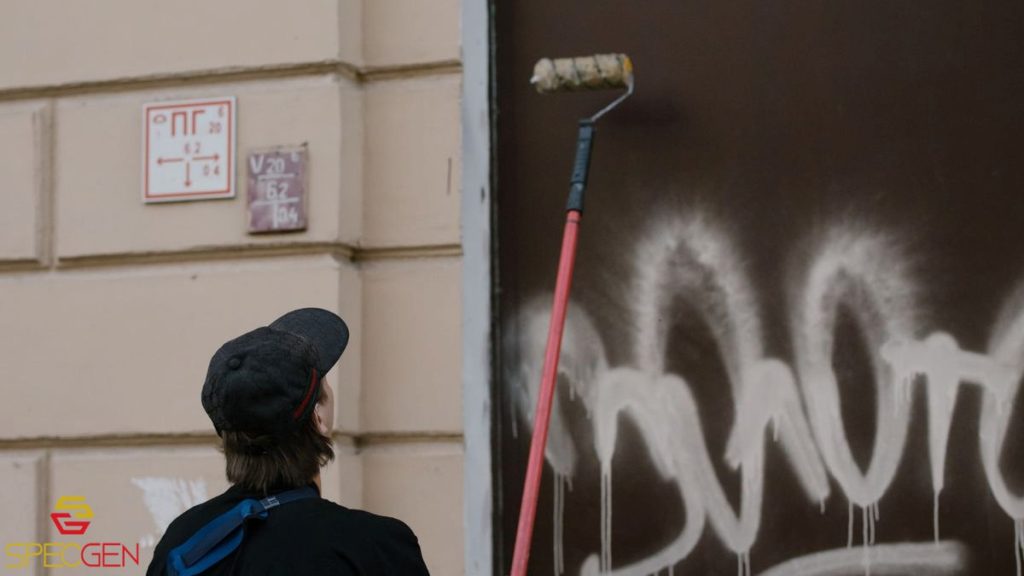
Glass and metal surfaces are far less forgiving of scratches, so removal usually relies on solvents and careful scraping rather than abrasive methods. Anti-graffiti coatings applied afterward make the next cleanup, if there is one, much faster.
What a Professional Graffiti Removal Company Does Differently
A professional graffiti removal company assesses the surface material, paint type, and how long the graffiti has been sitting before choosing a method. Rushing straight to pressure washing without that assessment is one of the most common mistakes property owners make when trying to handle it themselves.
The Removal Process Step by Step
- Surface assessment to identify material and paint type
- Testing a small area with the chosen method
- Full removal using chemical treatment, pressure washing, or both
- Surface restoration or touch-up painting if needed
- Optional protective coating to deter future tagging
This is where graffiti cleanup near me searches usually lead property owners, once they realize a can of solvent from the hardware store is not cutting it on brick or stucco. Some jobs pair well with a broader deep cleaning service for the rest of the exterior at the same time.
Understanding Graffiti Removal Cost
Graffiti removal cost depends on the surface, the size of the affected area, and how long the graffiti has been there. A small tag on glass might run under a hundred dollars, while a large mural-sized job on brick with sealant application can run into the thousands.
Pricing for graffiti removal in Lakewood NJ tends to track closely with typical graffiti removal in New Jersey rates overall, since surface type and job size matter more than the specific town.
- Surface type, since brick costs more to treat than glass
- Size of the affected area
- Age of the graffiti and how deep it has set
- Whether a protective coating is added afterward
Property owners across Lakewood can review our full range of commercial cleaning services to see how graffiti removal fits alongside other exterior and interior needs, including interior carpet cleaning for the inside of the building.
Preventing Repeat Vandalism
Removal is only half the job. Properties that get tagged once often get tagged again unless something changes. Good lighting, visible cameras, and protective coatings all reduce the odds of round two.
- Improve exterior lighting around entrances and walls
- Install visible security cameras
- Apply anti-graffiti coatings to vulnerable surfaces
- Join or start a local business watch group
- Report graffiti quickly to municipal services
Commercial properties of every kind deal with this, from retail storefronts to facilities like daycare centers that need to keep a clean, safe appearance for families. If a fire or storm has also left marks on your building, fire and smoke damage cleanup is often handled by the same restoration team.
You can see examples of past graffiti removal jobs and learn more about our trained technicians before scheduling a visit, and our specialty cleaning insights page covers more property maintenance tips for owners in the area.
Choosing the Right Graffiti Removal Company
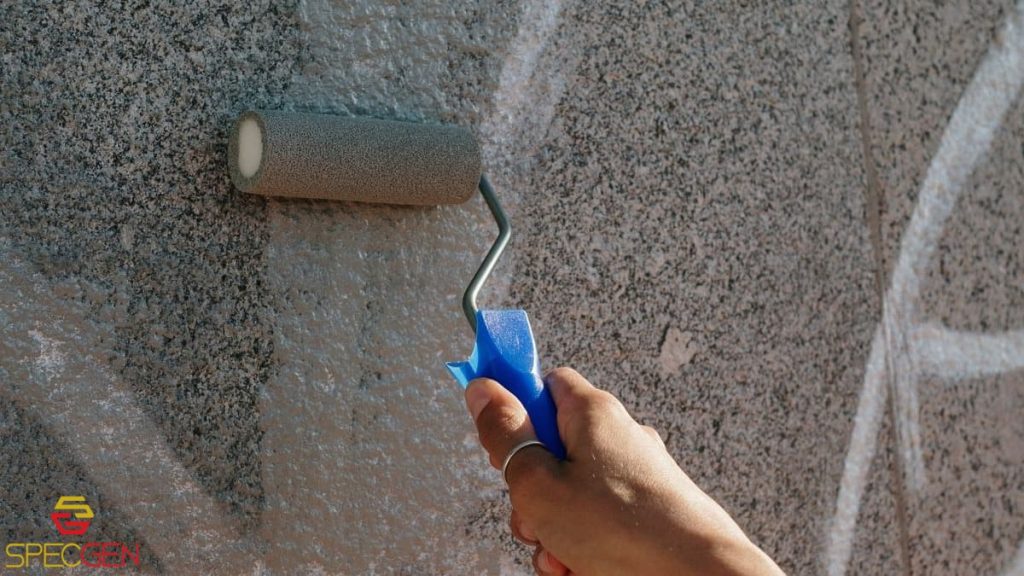
Not every cleaning company handles graffiti the same way, and the wrong choice can leave permanent staining or etched brick that looks worse than the tag it replaced. A little vetting up front saves you from a second, more expensive job down the line. Most owners land here after a graffiti cleanup near me search turns up more options than they expected.
What to Look for Before You Hire
- Experience with your specific surface type, whether brick, stucco, glass, or metal
- A clear testing step before full removal begins
- Insurance coverage in case something goes wrong during the job
- Willingness to explain the method before starting work
- Options for protective coating as part of the service
Commercial properties are often held to the same standard of care that shows up in medical-grade cleaning work, where documentation and consistency matter just as much as the result itself. Graffiti removal in Lakewood NJ deserves that same level of attention, especially on a building customers walk past every day.
A rushed job today often means a repeat job next month.
Think of graffiti removal as ongoing property care rather than a one-time fix. Businesses that treat it that way, checking in regularly and addressing new tags quickly, tend to see far less repeat vandalism than properties that only react once the damage has piled up.
Wipe the Slate Clean Before Copycats Show Up
Graffiti left on a storefront rarely stays a one-time problem. The longer it sits, the more it invites, and the more it costs your business in both image and repairs.
SpecGen offers graffiti removal in Lakewood NJ, and matches the right method to brick, glass, or metal, protecting the surface while getting your property looking sharp again.
Contact SpecGen as soon as graffiti shows up on your property, and keep your storefront looking like the business you actually run.
Frequently Asked Questions
Ideally within 24 to 48 hours. Studies on vandalism patterns show graffiti left visible for even a few days attracts more tagging and signals a property is not being watched closely.
Not if the right method is used. Pressure washing alone can push paint deeper into porous surfaces, so a proper chemical treatment paired with controlled pressure protects the material underneath.
Removal alone helps, but pairing it with lighting improvements, cameras, and a protective coating lowers the odds of repeat tagging significantly more than cleanup by itself.
Cost depends on surface type and size, ranging from under a hundred dollars for a small glass tag to several thousand for large brick surfaces needing sealant.
Coatings do not stop someone from tagging a wall, but they make paint lift off far more easily next time, cutting future cleanup time and cost significantly.