
Key points:
- Learn the exact steps to take in the first 24 hours after water damage to limit long-term harm.
- Understand when DIY drying is enough and when you need emergency water damage cleanup instead.
- See how a professional water damage restoration company protects your home from mold and structural damage.
Water does not politely wait for business hours. A burst pipe at 2 am or a flooded basement after a storm puts your home on the clock immediately. If you are dealing with water damage restoration in Toms River, NJ, the first 24 hours decide how much of your home you get to keep as is, and how much needs to be replaced.
This guide walks through exactly what to do first, what mistakes cost the most, and when it makes sense to call in an emergency water damage cleanup team instead of handling it alone. Acting fast here is not about panic. It is about protecting your home before water turns into something worse.
Why the First 24 Hours Matter So Much
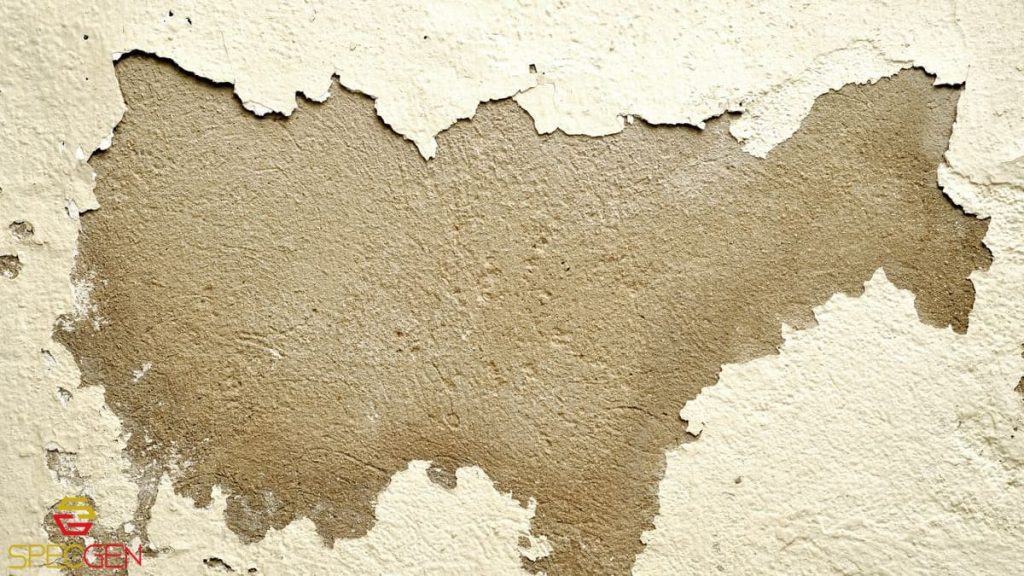
Water spreads sideways and upward faster than most people expect. It wicks into drywall, soaks into subfloors, and settles under baseboards within hours. Mold spores, already present in most homes, can start colonizing wet material in as little as 24 to 48 hours. This is exactly why fast water damage restoration in Toms River, NJ, matters so much in the first day.
Every hour water sits is an hour mold gets closer.
What Happens If You Wait
- Drywall and insulation absorb water and start to break down
- Wood flooring warps and can require full replacement
- Electrical systems near water become a safety hazard
- Mold growth begins before day two in humid conditions
Step by Step: What to Do in the First 24 Hours
The First Two Hours
Safety comes first. Turn off electricity to the affected area if it is safe to reach the breaker. Stop the water source if you can, whether that means shutting a valve or placing buckets under a leak. Then start documenting everything with photos before you move a single item.
- Shut off electricity and gas if there is standing water nearby
- Stop the water source at the valve if possible
- Take photos to support any water damage insurance claim in NJ
- Move valuables and electronics to a dry area
Hours Two Through Twelve
Once the area is safe, focus on removing standing water. A wet vac handles small amounts, but a flooded room needs pumps. Open windows if the weather allows, and get fans and dehumidifiers running as soon as possible. This is also the point where most homeowners start looking into flooded basement cleanup in NJ options, since a basement holds moisture longer than any other room in the house.
Hours Twelve Through Twenty-Four
By now, you should know whether this is a job you can finish yourself or one that needs help. Check under carpets and behind baseboards for moisture that is not visible on the surface.
If the water came from a sewage backup or outside flooding, do not touch it without protection, since that water often carries sewage backup cleanup-level contamination.
DIY Drying vs Calling a Water Damage Restoration Company Near You
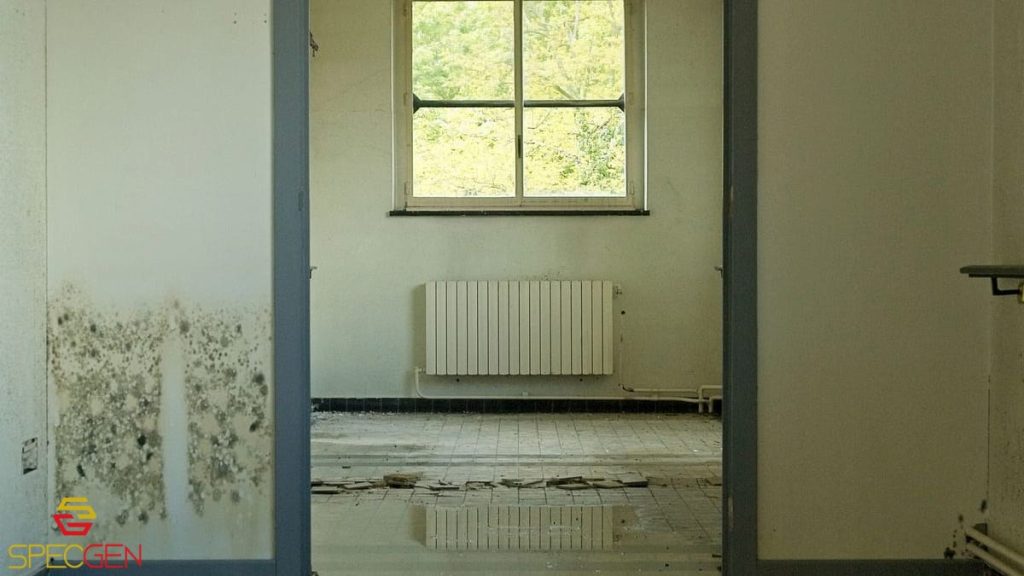
For a small spill or a leaking dishwasher, you can usually dry that yourself with fans and a dehumidifier over a day or two. But once water has soaked into carpet padding, subfloors, or drywall, moisture meters become necessary to confirm the material is actually dry, not just dry to the touch.
Signs You Need Professional Help
- Water covered more than one room
- Water sat for more than a few hours before cleanup started
- The water source was contaminated, like sewage or floodwater
- You can still smell dampness after two days of fans running
- Ceilings, walls, or subfloors feel soft or spongy
A water damage restoration company near me search usually happens right around this point, once homeowners realize a box fan is not going to solve a soaked subfloor. Many Toms River residents facing this exact situation have shared why they trust a local restoration team once the job gets bigger than expected. This is usually the moment professional water damage restoration in Toms River, NJ, becomes the faster, safer choice.
What Professional Water Damage Restoration Looks Like
A qualified crew handling water damage restoration in Toms River, NJ starts with an assessment, using moisture meters and thermal imaging to find water that has traveled beyond what you can see. From there, extraction equipment removes standing water fast, followed by industrial air movers and dehumidifiers placed strategically through the space.
The Restoration Process
- Inspection and moisture mapping
- Water extraction with pumps and vacuums
- Drying with commercial air movers and dehumidifiers
- Cleaning and sanitizing affected surfaces
- Repair or replacement of damaged material
- Final moisture check before the job is closed
Good restoration teams also help homeowners understand how to dry out water damage correctly so it does not resurface as mold weeks later. Many crews also check indoor air quality once drying is complete, just to confirm the air in the home is clear too.
Understanding Water Damage Restoration Cost
Water damage restoration cost depends on how much area is affected, what type of water caused it, and how long it sat before cleanup began. A small isolated leak might run a few hundred dollars. A flooded basement cleanup in NJ with contaminated water and damaged flooring can run into the thousands, and that figure often ends up front and center on a water damage insurance claim in NJ once the adjuster sees the scope of work.
- Size of the affected area
- Water category, whether clean, gray, or black water
- How long water sit before treatment began
- Materials that need full replacement versus drying
Flooring is often the biggest cost swing. If carpet or hardwood cannot be saved, professional floor cleaning and replacement add to the total. Any lingering dampness smell afterward is usually addressed with targeted odor control rather than air fresheners.
Our team’s background and certifications are worth reviewing before you hire anyone for a job this important, and our full range of restoration services covers everything from extraction through final repairs. You can also see examples of past restoration work and check our specialty cleaning insights for more prevention tips before the next storm rolls through.
Preventing Water Damage Before It Starts
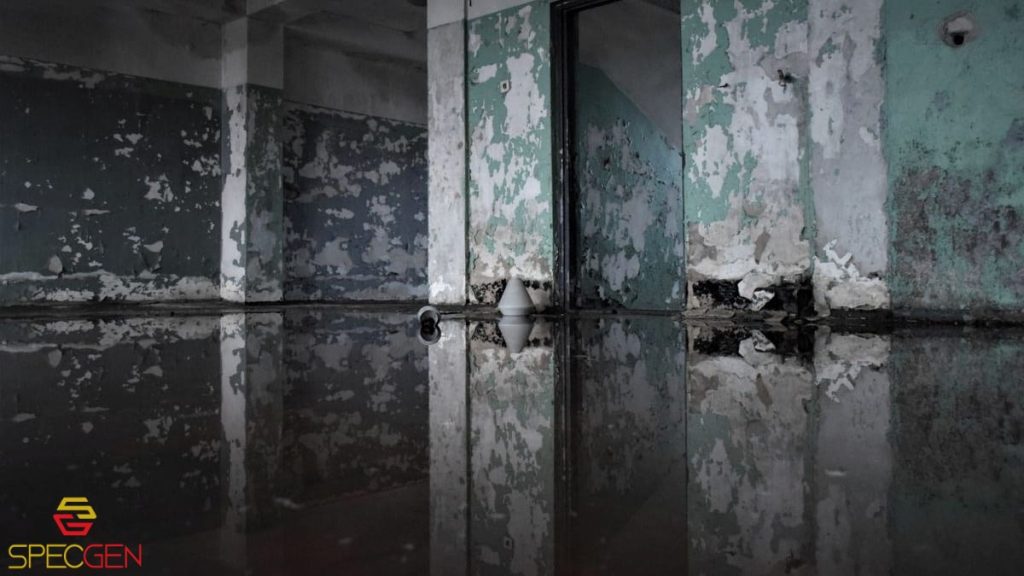
A lot of water damage calls trace back to something small that got ignored for months. A slow drip under a sink, a gutter that overflows every time it rains, a sump pump nobody tested since last spring. Catching these early costs almost nothing compared to what happens once they finally give out.
Simple Habits That Save Homes
- Check under sinks and around appliances for slow leaks every few months
- Clean gutters and downspouts before storm season arrives
- Test sump pumps before heavy rain is forecast
- Know where your main water shutoff valve is located
- Keep a small emergency kit with a wet vac, fans, and towels ready
None of this guarantees a flood-free basement forever. Storms happen, pipes fail, and appliances age out eventually, no matter how well you maintain them. But a home that gets regular attention tends to bounce back faster when something does go wrong, simply because the damage gets caught sooner rather than after it has already spread.
Check it before the storm, not after.
Water Won’t Wait, So Neither Should You
The first day after water damage sets the tone for everything that follows, from how much gets saved to how much mold takes hold. Acting fast protects your home and your budget at the same time.
SpecGen provides water damage restoration in Toms River, NJ, and responds quickly across Ocean County, using the right equipment to extract water, dry the space, and stop damage before it spreads further into your home.
Contact SpecGen as soon as water hits your floor, day or night, and get a team on the way before the first 24 hours slip past you.
Frequently Asked Questions
Mold can begin growing within 24 to 48 hours in a warm, humid environment, which is why fast extraction and drying matter so much in the first day after any flooding or leak.
Often, yes, especially for smaller jobs limited to one room. Larger jobs involving contaminated water or major structural drying may require staying elsewhere for a few days.
Coverage depends on the cause. Sudden events like burst pipes are usually covered, while damage from long-term leaks or flooding may need separate coverage depending on your policy.
Most jobs take three to five days for drying alone, with repairs adding more time depending on how much material needs replacing.
Clean water comes from sources like a supply line, while contaminated water comes from sewage or floodwater and requires extra safety precautions during cleanup, so the safest approach always starts with identifying the water type first.