
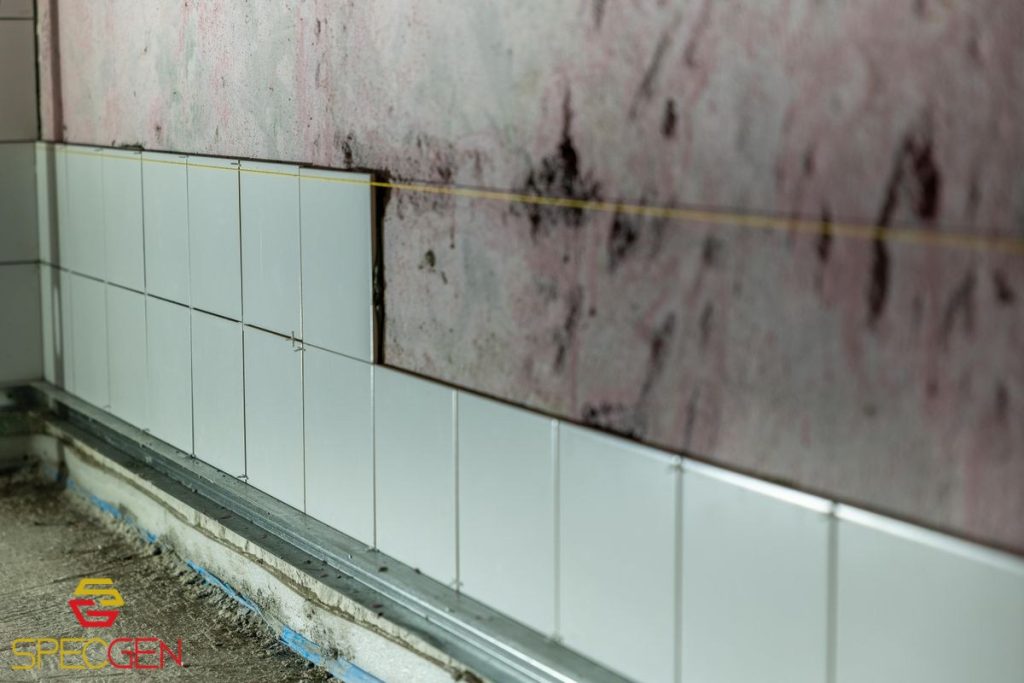
Key points:
- Wet materials should begin drying within 24 to 48 hours to reduce the chance of mold growth.
- Hidden moisture can remain beneath floors, behind walls, and inside insulation after visible water disappears.
- Large areas, contaminated water, HVAC involvement, or recurring mold call for trained remediation support.
A burst pipe, roof leak, or flooded basement changes your day fast. Once the water stops, the room may look better than it really is. Damp drywall, carpet padding, wood, and insulation can hold moisture long after the floor seems dry. That is why mold after water damage in NJ deserves attention right away.
The goal is not panic. It is fast, orderly drying. Start by stopping the source when you can do so safely. Keep people away from electrical hazards and contaminated water. Then arrange professional water damage restoration when the affected area, water source, or hidden moisture exceeds a simple wipe-up.
This guide explains the 24-to-48-hour window, warning signs, drying steps, and the point when cleanup becomes remediation. You will learn why paint and a household fan cannot fix wet building materials. Quick decisions can protect indoor air and belongings. It also helps you avoid repairs over damp materials.
Why Mold After Water Damage NJ Can Develop So Fast
Mold spores already exist indoors and outdoors. Growth begins when those spores land on a damp material that provides food. Paper facing, wood, dust, fabric, and ceiling tile all support growth.
Water-damaged areas should be dried within 24 to 48 hours. This window is a prevention target, not a promise that every surface stays mold-free until hour 49. Temperature, airflow, material, and prior contamination all affect the timeline.
A practical response timeline
| Time after discovery | What you should do | Main concern |
| First hours | Stop the source, avoid hazards, document damage, begin extraction | Water spreading into hidden materials |
| Within 24 hours | Remove standing water, increase controlled drying, inspect adjacent rooms | Saturated drywall, flooring, and contents |
| By 48 hours | Confirm materials are drying with moisture readings | Mold growth and deeper material damage |
| After 48 hours | Reassess odors, staining, swelling, and hidden cavities | Remediation may be needed before repairs |
Do not wait for visible spots. Treat mold after water damage in NJ as a moisture problem first.
Why New Jersey properties stay damp
Humid outdoor air can slow evaporation. Basements and closed rooms often lack airflow. Vinyl flooring or cabinets may trap water against porous surfaces.
Water damage mold New Jersey problems also appear when a leak repeats. A supply line can wet a wall before staining appears. Indoor air quality testing and solutions may help with musty conditions, but the source still needs repair.
What to Do During the First 48 Hours
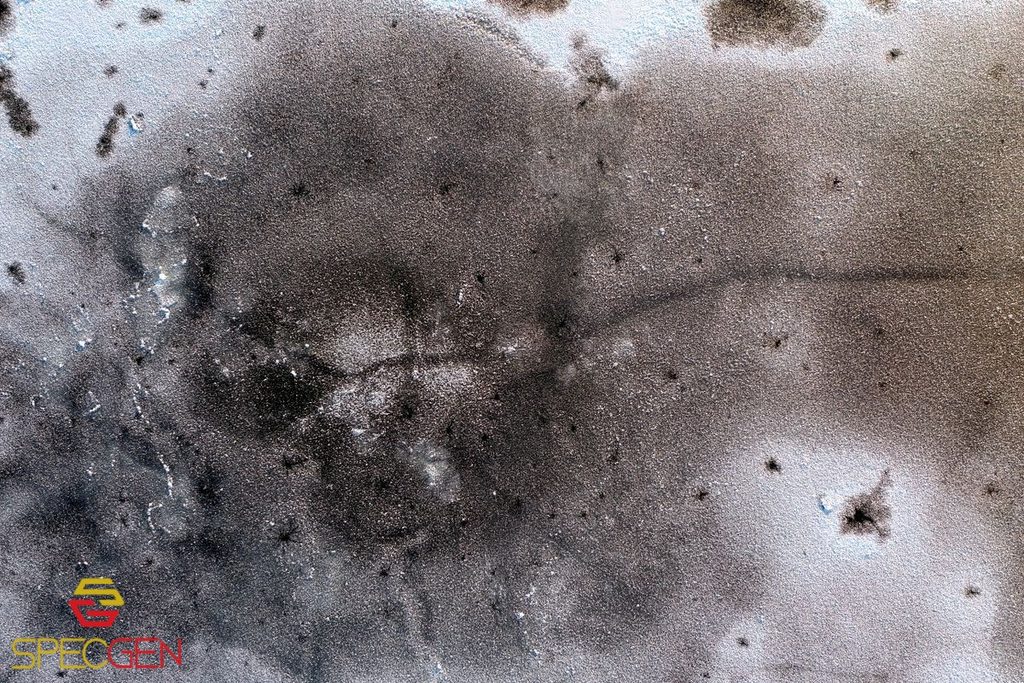
Protect people first. Do not enter standing water near energized equipment. Do not handle sewage or storm water like a clean plumbing leak. Shut off power only when you can reach the control safely.
Stop, document, and extract
Photograph the source and every affected area. Record when you discovered it. Move dry contents away from the wet zone, but avoid carrying moldy materials through clean rooms.
For water damage cleanup in New Jersey and water damage restoration and mold removal, focus on:
- Repairing or isolating the leak.
- Removing standing water with suitable equipment.
- Opening safe cavities when trained workers identify trapped moisture.
- Separating wet contents for cleaning, drying, or disposal.
- Tracking humidity and material moisture, not surface appearance alone.
If sewage entered the area, use professional sewage cleanup. Contaminated water changes protective equipment and material decisions.
Dry the structure, not just the room air
Air movers support evaporation. Dehumidifiers remove moisture from the air. Extraction removes liquid from materials. These tools work together.
A few household fans may spread particles or fail to reach hidden spaces. A first-24-hours water damage guide explains why moisture checks matter beneath flooring and behind walls.
Mold growth after flooding in NJ becomes more likely when soaked padding, insulation, or ceiling tiles remain. Porous materials may need removal if they cannot dry promptly.
How to Recognize a Developing Mold Problem
Mold can appear as spots, patches, staining, or discoloration. Color does not reveal health risk. Musty odors may signal hidden growth.
Mold can grow on drywall, carpet, insulation, wood, paper, and upholstery where moisture exists. Look beyond the room where the leak began. Mold growth after flooding in NJ may reach adjoining cavities.
Signs behind finished surfaces
Watch for:
- Paint that bubbles, peels, or feels soft.
- Baseboards that swell or separate from the wall.
- Flooring that cups, buckles, or releases at seams.
- A musty odor that strengthens when HVAC equipment runs.
- Condensation or dampness inside cabinets and closets.
- New spots that return after wiping.
Do not paint over suspected growth. Covering the surface traps the problem and hides changes.
Testing is not always the first step
If you see mold and know the source, removal and moisture correction matter more than identifying the species. Testing may help when the source remains unclear.
An experienced mold inspection and remediation team should explain why it recommends sampling. Avoid anyone who uses a single air result to frighten you into unrelated work.
When Mold Remediation After Water Leak Needs a Professional
Small surface growth from a minor clean-water event may be manageable for some owners. Larger or complex conditions call for containment, controlled removal, filtration, and moisture verification.
The EPA suggests professional guidance when mold covers more than about ten square feet, when substantial water damage exists, or when contaminated water caused the problem. Review mold cleanup limits for homeowners before starting.
Conditions that raise the risk
Seek emergency mold remediation NJ or flooded house mold cleanup when:
Growth covers a large or expanding area.
- Sewage, floodwater, or another contaminated source entered.
- Mold appears near HVAC returns or inside air-handling equipment.
- Occupants have serious health concerns or immune conditions.
- Structural materials remain wet after attempted drying.
- The odor or staining returns after previous cleanup.
You may need odor-control treatment after source removal. Deodorizing before removal only masks evidence.
What a sound remediation process includes
Water damage restoration and mold removal should connect cause to repair. The team identifies wet areas, contains work, removes damaged material, cleans surfaces, filters air, and verifies drying.
Ask who performs the work and documents moisture. Request the work area, disposal approach, and completion criteria. A local warning-sign guide can prepare you for an assessment.
Preventing Mold From Returning
Remediation fails when moisture returns. Repair the roof, pipe, appliance, drainage, or humidity issue before closing the wall. Keep indoor humidity controlled and make sure bathroom or kitchen exhaust reaches outdoors.
Watch the repaired area
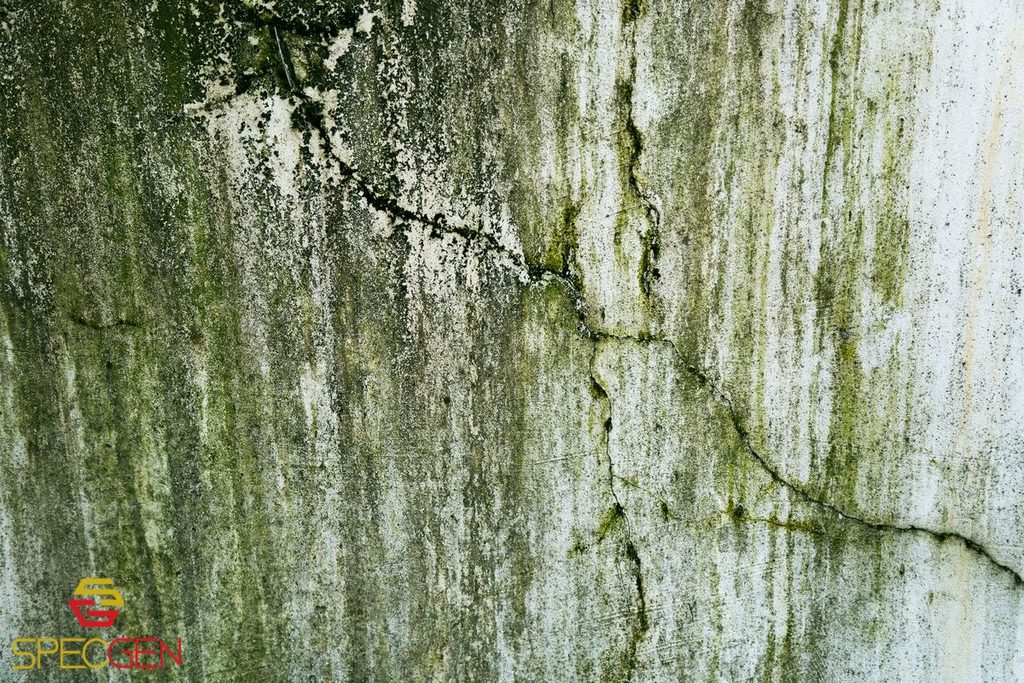
After flooded house mold cleanup, inspect the area for weeks. Smell the room after rain. Check baseboards and closets. Watch for condensation.
Keep photos, invoices, moisture records, and removal notes. These may help with insurance and repairs. Specialty cleaning solutions can address related conditions.
Dry the Damage Before Mold Takes Hold
Fast action gives materials their best chance to recover. Mold after water damage in NJ becomes harder to control when moisture stays hidden. Extraction, dehumidification, and documented readings beat waiting for stains.
SpecGen Clean provides extraction, drying, inspection, emergency mold remediation in NJ, and specialty cleaning across New Jersey. The team reviews the source, materials, access, and urgency. Call 732-908-8988 while materials remain wet.
Contact us for water damage cleanup in New Jersey. Share when the loss happened, where water traveled, and whether sewage or electrical risks exist. You can ask how technicians measure hidden moisture, decide what can stay, and document drying before walls, flooring, or cabinets receive repairs. Those records support clearer next steps. Clear moisture findings support sound repair decisions.
Frequently Asked Questions
Yes. The 24-to-48-hour guidance is a drying target, not a countdown. Material type, temperature, humidity, and prior dampness affect growth. Begin extraction and controlled drying as soon as conditions are safe.
Fans may help surface evaporation, but they do not extract water or control humidity by themselves. Hidden cavities and dense materials often need moisture readings, dehumidification, and professional drying equipment.
Bleach is not a universal solution. Product suitability depends on the surface and condition. Never mix cleaning chemicals. Large, porous, contaminated, or hidden growth needs a safely managed remediation plan.
Coverage usually depends on the cause, timing, exclusions, and policy limits. Report sudden damage promptly, document affected areas, and ask the carrier in writing before discarding materials when safety permits.
Repairs should begin after the source is fixed, affected materials are addressed, and the structure reaches suitable moisture levels. Closing damp cavities can restart the problem and hide new growth.